






What's Happening?
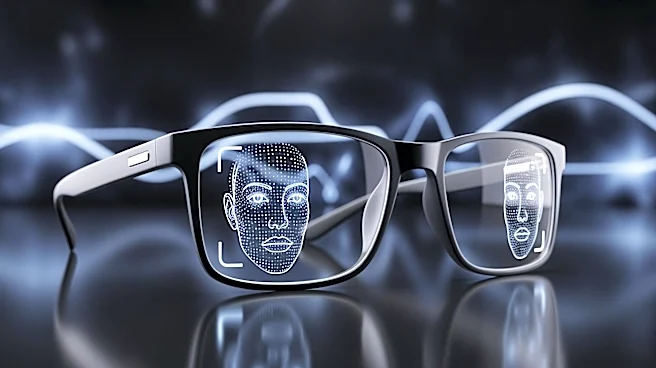
Meta has embedded a face-recognition code, internally named NameTag, into its Meta AI app, which is used with Ray-Ban and Oakley smart glasses. According to a technical review by WIRED, the app, downloaded over 50 million times, includes components that
detect faces, convert them into biometric faceprints, and compare them against stored data on a user's phone. Although the code is not currently active or transmitting data to Meta's servers, it is described as 'nearly ready to go' by Cooper Quintin, a security researcher at the Electronic Frontier Foundation's Threat Lab. This development has sparked discussions about privacy and data security, as the dormant code could potentially be activated in the future.
Why It's Important?
The integration of face-recognition technology into consumer devices like smart glasses raises significant privacy and ethical concerns. If activated, this feature could lead to widespread biometric data collection, impacting user privacy and potentially leading to misuse of personal information. The dormant nature of the code suggests that Meta may be preparing to launch this feature, which could face regulatory scrutiny and public backlash. The situation highlights the ongoing tension between technological innovation and privacy rights, emphasizing the need for clear regulations and transparency in the deployment of such technologies.
What's Next?
If Meta decides to activate the face-recognition feature, it may face regulatory challenges and public scrutiny. Privacy advocates and regulatory bodies could demand transparency and safeguards to protect user data. Meta might need to engage with stakeholders to address privacy concerns and ensure compliance with data protection laws. The company could also face pressure to provide users with opt-in or opt-out options for such features, ensuring informed consent and control over personal data.