





What's Happening?
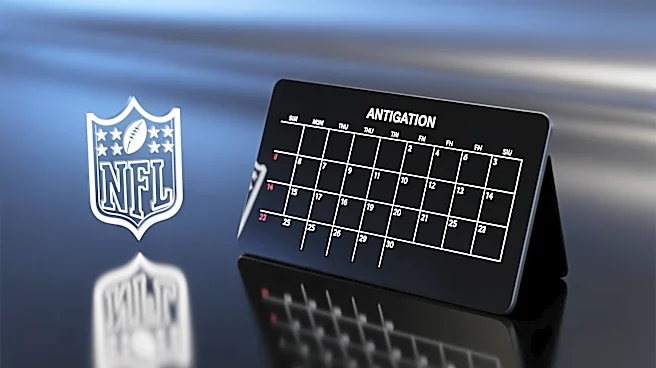
The National Football League (NFL) has initiated a series of announcements leading up to the release of its regular-season schedule. In an email blast sent on Thursday evening, the NFL informed fans and stakeholders that the 'schedule release is almost
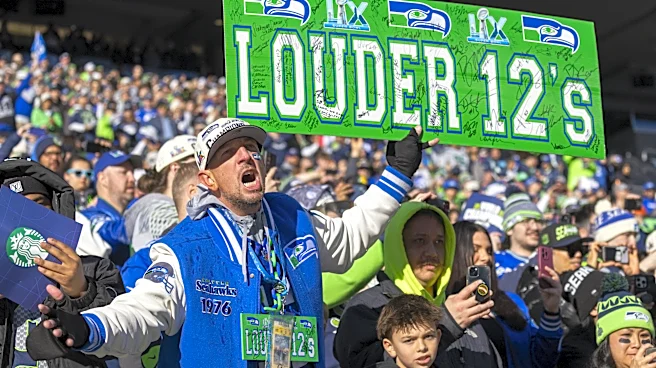
here.' This announcement follows a report by Alex Sherman of CNBC, indicating that the NFL plans to unveil the schedule on either May 13 or 14. Previously, NFL Vice President of Broadcast Planning, Mike North, mentioned that the schedule could be released during the week of May 18, contingent upon Commissioner Roger Goodell's approval. Currently, only two of the 272 games have been confirmed: the 49ers will face the Rams on Thursday, September 10, and the Ravens will play against the Cowboys on Sunday, September 27. Additionally, the Seahawks are set to host the first game of the season on Wednesday, September 9, although their opponent has not yet been announced.
Why It's Important?
The release of the NFL schedule is a significant event for fans, teams, and broadcasters alike, as it sets the stage for the upcoming season. The anticipation surrounding the schedule release highlights the NFL's strategic planning and marketing efforts to maintain fan engagement during the off-season. For broadcasters, the schedule determines programming and advertising strategies, impacting revenue streams. Teams and players also rely on the schedule to plan training, travel, and game strategies. The confirmed games, such as the 49ers-Rams and Ravens-Cowboys matchups, are likely to draw significant viewership, especially with the potential streaming of the 49ers-Rams game on Netflix, indicating a shift towards digital platforms for sports broadcasting.
What's Next?
As the NFL prepares to release the full schedule, stakeholders are likely to analyze the implications for team performance, travel logistics, and fan engagement. Broadcasters will finalize their programming and advertising plans, while teams will begin strategizing for their matchups. Fans can expect increased media coverage and speculation about key games and rivalries. The NFL's decision to potentially stream games on platforms like Netflix may also prompt discussions about the future of sports broadcasting and its impact on traditional television networks.