
What's Happening?
The average long-term U.S. mortgage rate has increased to its highest level in nearly nine months, reaching 6.51% from 6.36% the previous week. This rise in borrowing costs comes during the housing market's
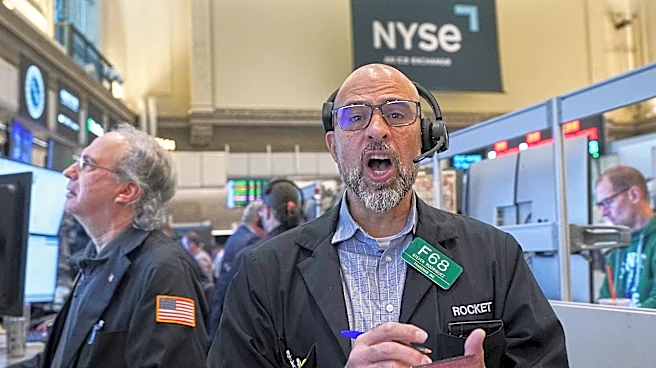
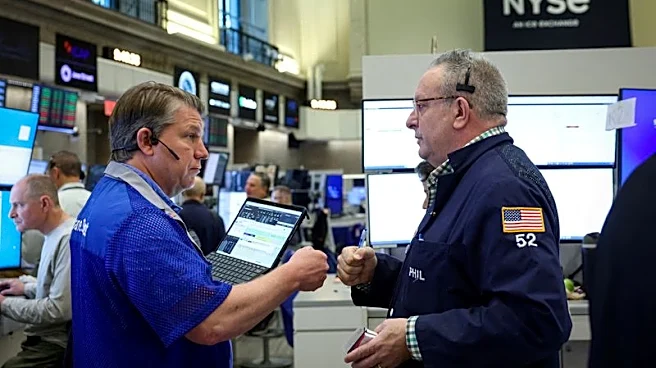
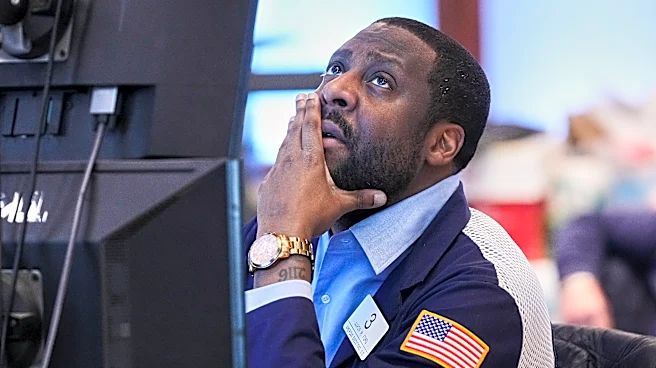
busiest season. The increase is attributed to higher oil prices and concerns over U.S. government debt, which have pushed up long-term bond yields. Despite these economic challenges, Wall Street is on track for its eighth consecutive winning week, the longest streak since 2023. This is occurring even as consumer sentiment about the economy worsens, highlighting a growing divide between stock market performance and household economic experiences.
Why It's Important?
The rise in mortgage rates could dampen homebuyer activity, potentially slowing the housing market's momentum. Higher borrowing costs may deter potential buyers, affecting real estate sales and related industries. Meanwhile, the continued strength of Wall Street suggests investor confidence in corporate profitability, despite broader economic concerns. This divergence between financial markets and consumer sentiment underscores the complexity of the current economic landscape, where stock market gains do not necessarily translate to improved economic conditions for average Americans. The situation highlights the need for careful economic policy to balance growth with inflation control.
What's Next?
As mortgage rates continue to rise, potential homebuyers may face increased financial pressure, leading to a possible slowdown in the housing market. Policymakers and financial institutions will need to monitor these trends to mitigate potential negative impacts on the economy. On Wall Street, investors will likely keep a close eye on corporate earnings reports and economic indicators to gauge future market directions. The ongoing economic uncertainties, including geopolitical tensions and inflationary pressures, will remain key factors influencing both consumer behavior and market performance.