







What's Happening?
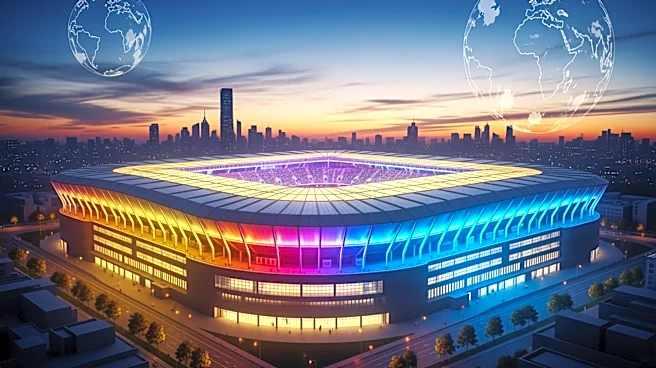
The 2026 FIFA World Cup is set to be a major event across North America, with 16 host cities in Canada, Mexico, and the United States. This tournament, held every four years, is one of the most watched sporting events globally, featuring 48 soccer teams
competing for billions of viewers. In the U.S., cities like Atlanta, Boston, Dallas, and Los Angeles are gearing up to welcome fans with a variety of attractions. These cities are offering a mix of luxury accommodations, unique dining experiences, and cultural landmarks to enhance the visitor experience. For instance, Atlanta's new boutique hotel, The Tess, offers a rooftop pool and a skyline-view restaurant, while Boston's Whitney Hotel provides a residential-like retreat in the historic Beacon Hill neighborhood.
Why It's Important?
The 2026 FIFA World Cup represents a significant opportunity for economic and cultural impact in the host cities. The influx of international visitors is expected to boost local economies through increased spending on hotels, restaurants, and attractions. This event also provides a platform for cities to showcase their cultural and historical landmarks to a global audience, potentially increasing future tourism. Additionally, the World Cup fosters a sense of community and national pride, as cities come together to support their teams and celebrate the sport. The event's success could influence future decisions on hosting international events, further positioning the U.S. as a prime destination for global gatherings.
What's Next?
As the World Cup approaches, host cities are likely to continue preparations to ensure a seamless experience for visitors. This includes enhancing infrastructure, increasing security measures, and coordinating with local businesses to accommodate the expected surge in tourism. Cities may also engage in marketing campaigns to highlight their unique offerings and attract more visitors. The success of these efforts will be closely watched by stakeholders, including local governments, businesses, and tourism boards, as they assess the long-term benefits of hosting such a prestigious event.