





What's Happening?
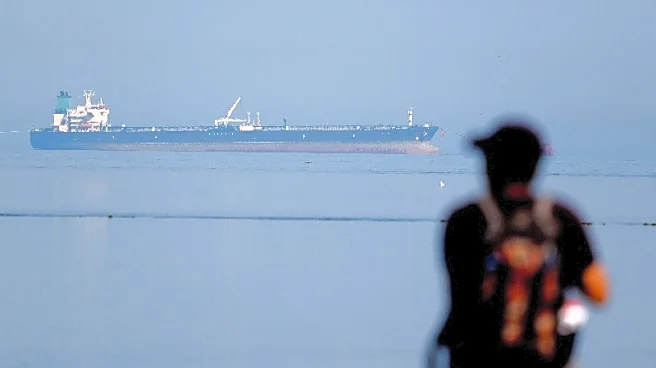
The ship recycling market in the Indian subcontinent, particularly in India and Pakistan, is experiencing a rare period of inactivity. According to Wirana Shipping's latest market outlook, there are hardly any new recycling candidates, with no vessels
currently waiting to be beached in India and only one in Pakistan. Despite recyclers being ready to buy, ship owners are finding commercial reasons to keep older vessels trading. The report highlights that steam turbine LNG carriers are benefiting from current gas supply disruptions, high charter rates, and a shortage of available LNG vessels, delaying their entry into the recycling market. Rakesh Khetan, CEO of Wirana Shipping, notes that freight earnings, second-hand values, and geopolitical disruptions are delaying end-of-life decisions for vessels.
Why It's Important?
The inactivity in the ship recycling market has significant implications for the shipping industry and related sectors. The shortage of recycling candidates is linked to resilient conditions in several shipping segments, including improved dry bulk charter rates and firmer container market spot rates. This situation affects the supply chain for steel, as local steel plate prices in India have fallen, adding pressure on key recycling destinations. The delay in recycling vessels could impact the availability of scrap metal, affecting steel production and prices globally. Additionally, geopolitical tensions in the Middle East are influencing charter demand, which could shift once these tensions ease.
What's Next?
The ship recycling market may continue to face challenges until charter markets soften or geopolitical disruptions ease. The current situation suggests that steam turbine LNG vessels may find short-term employment, but this window could close as Middle East tensions ease. The market is expected to remain tight, with recyclers eager to buy but facing a shortage of vessels. Stakeholders in the shipping and steel industries will need to monitor geopolitical developments and market conditions closely to anticipate changes in vessel availability and steel prices.