



What's Happening?
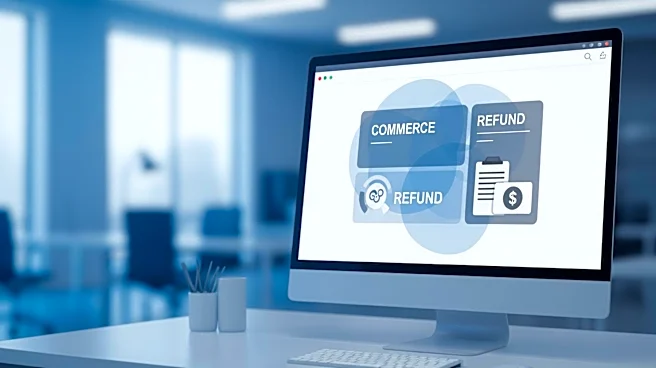
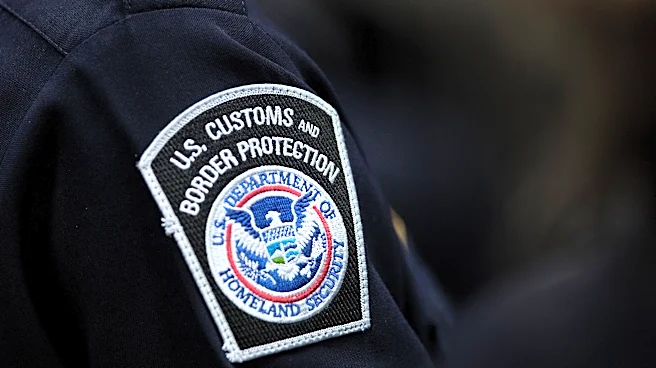
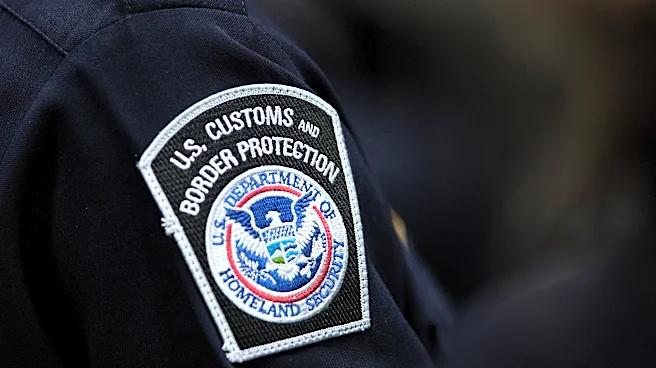
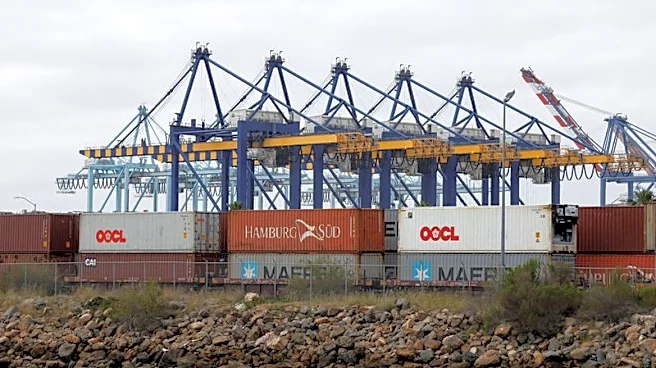
U.S. Customs has launched an online portal to facilitate the refund of $166 billion in tariff revenue, primarily benefiting businesses that directly paid these tariffs as importers of record. Individual consumers, like Will Chyrsanthos, who incurred additional
costs due to tariffs on imported goods, face challenges in obtaining refunds. While some shipping companies like DHL, FedEx, and UPS have committed to refunding customers who paid tariffs directly, many consumers lack the necessary documentation to claim refunds. Retailers also struggle to determine the exact tariff costs passed on to consumers, complicating the refund process.
Why It's Important?
The tariff refund process underscores the complexities of international trade and its impact on consumers and businesses. While businesses stand to recover significant costs, individual consumers may not see direct benefits due to the intricate supply chain and pricing structures. This situation highlights the broader economic implications of tariff policies, which can affect consumer prices and business operations. The initiative by shipping companies to offer refunds sets a precedent for corporate responsibility, but the lack of a clear mechanism for consumer refunds may lead to dissatisfaction and potential legal challenges.
What's Next?
As the refund process unfolds, businesses and consumers will need to navigate the complexities of tariff-related costs. Retailers may explore alternative ways to pass savings to consumers, such as price reductions or store credits. The situation may prompt further discussions on tariff policy and its implementation, potentially influencing future trade agreements and regulations. Legal actions, such as class action lawsuits, could arise as consumers seek to recover costs, prompting businesses to reassess their pricing and refund strategies.