

What's Happening?
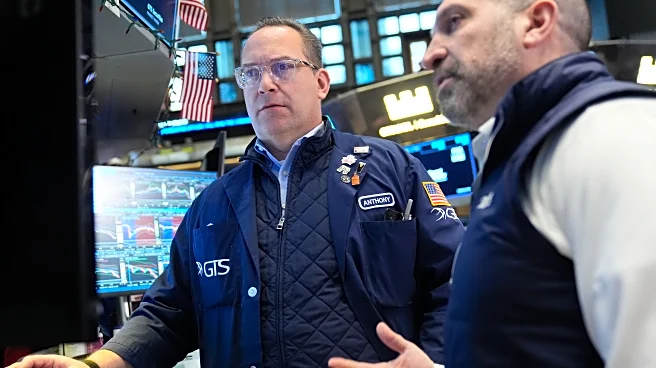
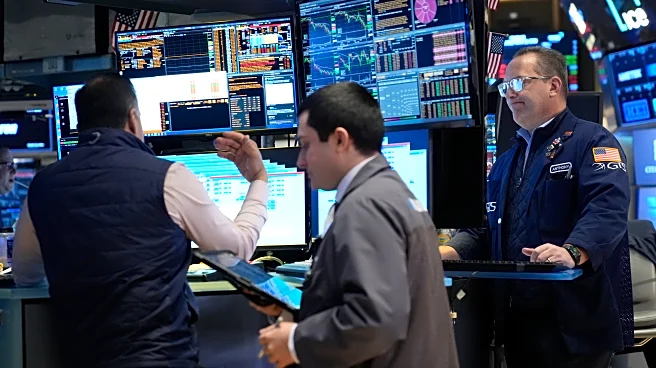
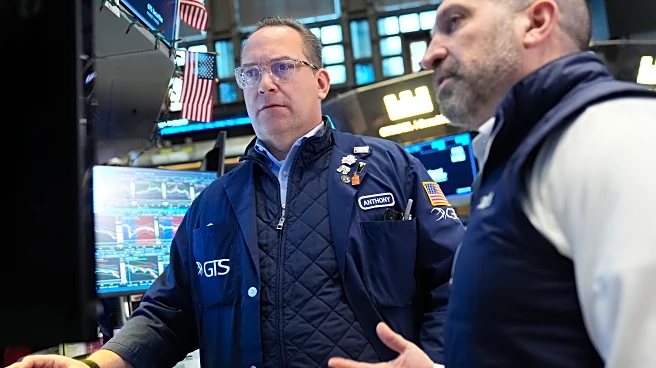
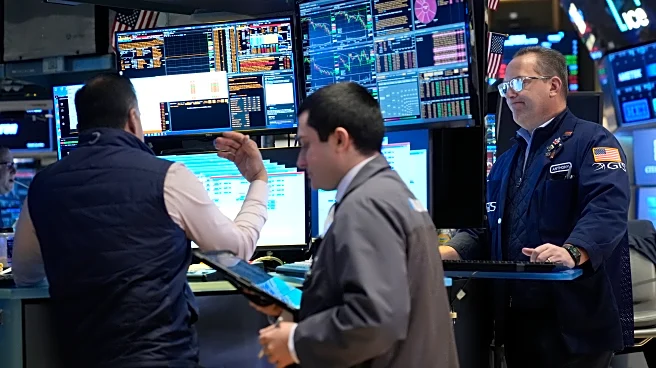
The U.S. stock markets have experienced a significant downturn as the conflict in Iran continues to impact global energy markets. The Dow Jones Industrial Average fell by approximately 1%, losing around 450 points, while the S&P 500 dropped by 1.5%, resulting
in year-to-date losses exceeding 5%. The Nasdaq Composite also saw a decline of 2%, with a total loss of about 7% since the beginning of the year. The ongoing war in Iran, now in its fourth week, has disrupted tanker traffic through the Strait of Hormuz, a critical passage for global oil shipments. This has led to a rise in oil prices, with Brent crude trading at $107 per barrel and West Texas Intermediate at $98.30. The Federal Reserve's recent hawkish stance on interest rates, as indicated by Chair Jerome Powell, has further contributed to market volatility.
Why It's Important?
The continued conflict in Iran and its impact on oil prices have significant implications for the U.S. economy and global markets. Rising oil prices can lead to increased costs for businesses and consumers, potentially exacerbating inflationary pressures. The Federal Reserve's cautious approach to interest rate adjustments reflects concerns about inflation and economic stability. Investors are closely monitoring economic indicators, such as inflation expectations and labor market data, to gauge the potential for future rate hikes. The situation in Iran also poses geopolitical risks, affecting energy security and international relations. The outcome of this conflict could influence U.S. foreign policy and economic strategies.
What's Next?
Investors and policymakers will be watching for developments in the Iran conflict and its impact on global oil supply. The Federal Reserve's future decisions on interest rates will be influenced by economic data, including inflation and employment figures. Any resolution or escalation in the Iran situation could lead to shifts in oil prices and market sentiment. Additionally, corporate earnings reports and economic indicators will provide further insights into the health of the U.S. economy. Stakeholders will need to navigate these uncertainties to make informed decisions.