







What's Happening?
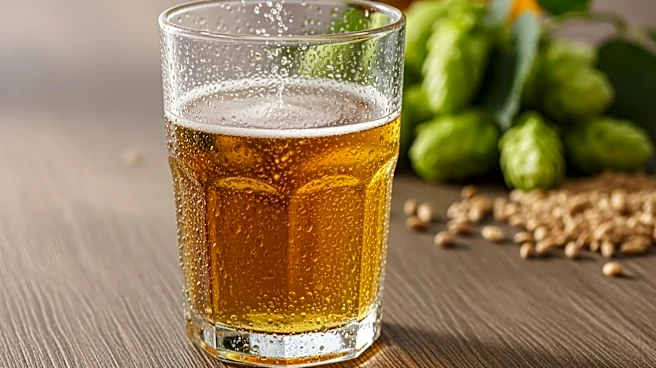
The non-alcoholic beer market is experiencing significant growth, driven by increasing demand from health-conscious consumers and a diverse range of demographic groups. Major players in the industry, such as Heineken, Anheuser-Busch InBev, and BrewDog,
are expanding their product lines to cater to this growing market. The market is segmented into various consumer groups, including young adults, fitness enthusiasts, pregnant women, individuals in recovery, social drinkers, non-drinkers, and culinary enthusiasts. This trend is part of a broader movement towards conscious drinking, where consumers are more aware of the health impacts of alcohol and are seeking alternatives that fit their lifestyle. The report by Coherent Market Insights highlights the competitive dynamics, regional performance, and long-term growth potential of the non-alcoholic beer market, providing a comprehensive analysis for business leaders.
Why It's Important?
The rise of the non-alcoholic beer market reflects a significant shift in consumer preferences towards healthier lifestyle choices. This trend is impacting the beverage industry by encouraging major breweries to innovate and diversify their offerings. The growth of this market segment presents opportunities for businesses to tap into new consumer bases and expand their market share. Additionally, the focus on health-conscious products aligns with broader societal trends towards wellness and sustainability. As consumers become more informed about the health implications of alcohol consumption, the demand for non-alcoholic alternatives is likely to continue rising, influencing product development and marketing strategies across the industry.
What's Next?
As the non-alcoholic beer market continues to grow, companies are expected to invest in research and development to create new and innovative products that meet the evolving needs of consumers. This may include the introduction of new flavors, packaging, and marketing strategies aimed at attracting a wider audience. Additionally, regulatory changes and public health campaigns promoting responsible drinking could further boost the market. Companies may also explore partnerships and collaborations to enhance their product offerings and reach new markets. The ongoing trend towards health and wellness is likely to drive continued growth and innovation in the non-alcoholic beverage sector.