

What's Happening?
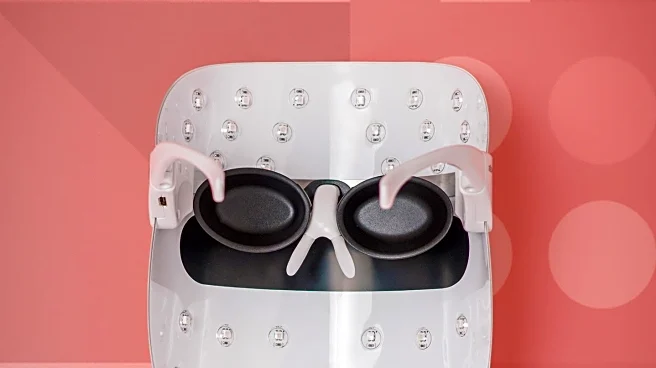
Red light therapy, also known as photobiomodulation, is gaining attention for its potential to improve cellular energy and repair. This non-invasive therapy uses red and near-infrared light to stimulate mitochondrial activity, enhance tissue repair, and reduce
inflammation. Clinical studies suggest benefits across various fields, including dermatology, pain management, and muscle recovery. The therapy works by targeting cytochrome c oxidase in the electron transport chain, promoting ATP production and reducing oxidative stress. Despite promising results, standardized treatment protocols are still under investigation, and more research is needed to confirm its efficacy across different applications.
Why It's Important?
The growing interest in red light therapy reflects a broader trend towards non-invasive treatments that offer potential health benefits without the side effects associated with traditional therapies. Its applications in pain management and tissue repair could provide new options for patients with chronic conditions, potentially reducing reliance on pharmaceuticals. Additionally, its use in sports medicine could enhance athletic performance and recovery. As research continues, red light therapy may become a valuable tool in various medical and wellness settings, influencing treatment approaches and patient outcomes.
What's Next?
Further research is needed to establish standardized dosing guidelines and confirm the long-term benefits of red light therapy. Large-scale randomized controlled trials across diverse populations will be crucial in validating its efficacy and safety. As more data becomes available, healthcare providers may increasingly incorporate this therapy into treatment plans, potentially expanding its use in clinical practice. The development of new devices and technologies could also enhance its accessibility and effectiveness, driving broader adoption in both medical and consumer markets.