






What's Happening?
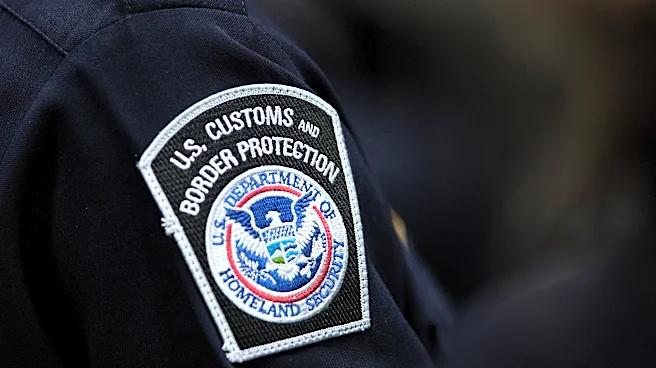
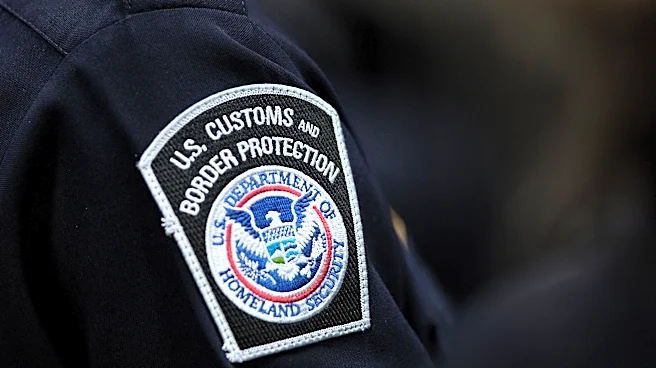
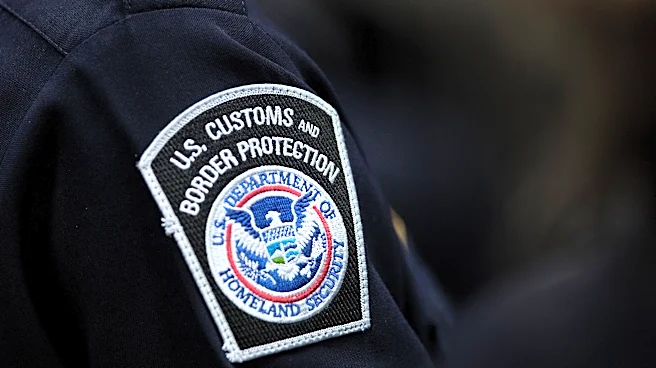
Customs and Border Protection (CBP) has introduced a new tariff refund platform aimed at reimbursing importers who paid tariffs under the International Emergency Economic Powers Act (IEEPA) during President Trump's administration. This development follows
a ruling by the Court of International Trade (CIT) mandating the refund of these tariffs. However, legal experts, including Matthew Seligman of Grayhawk Law, caution that the process is fraught with challenges. The Department of Justice (DOJ) has indicated intentions to appeal the CIT's decision, which could complicate the refund process. Additionally, the Supreme Court's previous rulings suggest that universal injunctions, like the one issued by the CIT, may not be lawful, potentially affecting the eligibility of importers for refunds.
Why It's Important?
The introduction of the tariff refund tool is significant for the approximately 330,000 importers affected by the IEEPA tariffs, as it offers a potential financial reprieve. However, the legal uncertainties surrounding the process could lead to delays and additional costs for businesses, particularly small and medium-sized enterprises that may lack the resources to navigate complex legal procedures. The outcome of the DOJ's potential appeal could set a precedent for how similar cases are handled in the future, impacting the broader trade policy landscape and the financial stability of affected importers.
What's Next?
Importers are currently submitting refund requests through the new platform, but the DOJ's decision on whether to appeal the CIT's ruling remains a critical factor. If an appeal is filed, it could halt the refund process and lead to further legal battles. Additionally, technical issues with the platform and procedural delays could extend the timeline for receiving refunds, potentially pushing some claims outside the eligibility window. Importers are advised to stay informed about legal developments and consider seeking legal counsel to protect their interests.