



What's Happening?
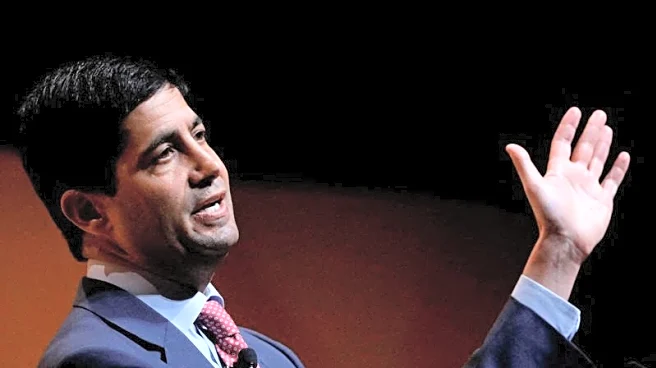
Vice Chair Jefferson of the Federal Reserve delivered a speech outlining the economic outlook and monetary policy implementation for 2026. He expressed cautious optimism about the economy, noting stabilization in the labor market and a trajectory towards the 2% inflation target. The Federal Reserve has reduced the policy interest rate to balance risks of inflation and employment. Jefferson highlighted recent developments in monetary policy, including the conclusion of the Fed's balance sheet reduction and the initiation of reserve management purchases to maintain ample reserves.
Why It's Important?
Jefferson's speech provides insight into the Federal Reserve's approach to navigating economic challenges, including inflation and labor market dynamics. The reduction
in policy interest rates and the focus on maintaining ample reserves are critical for ensuring economic stability. These measures reflect the Fed's commitment to its dual mandate of maximum employment and stable prices. The speech also underscores the importance of data-driven decision-making in monetary policy, particularly in the context of recent disruptions in federal data availability.
What's Next?
The Federal Reserve will continue to monitor economic indicators and adjust monetary policy as needed. The upcoming policy meeting will be crucial in determining future interest rate adjustments. The Fed's approach to reserve management and its impact on money market conditions will be closely watched by financial markets. Additionally, the Fed's ability to maintain effective interest rate control through its ample-reserves framework will be a key focus for policymakers and market participants.