





What's Happening?
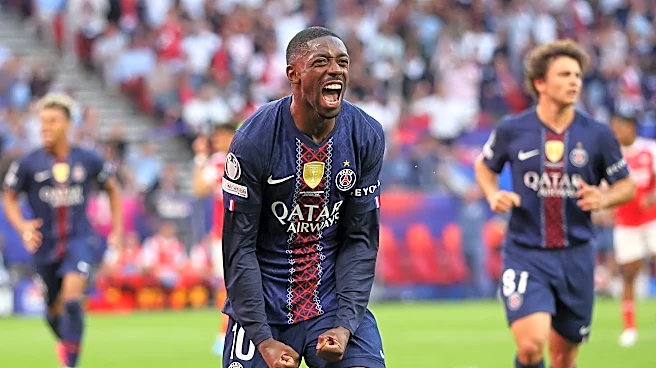
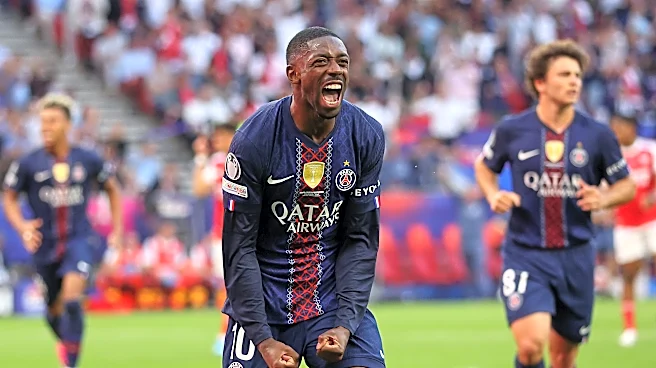
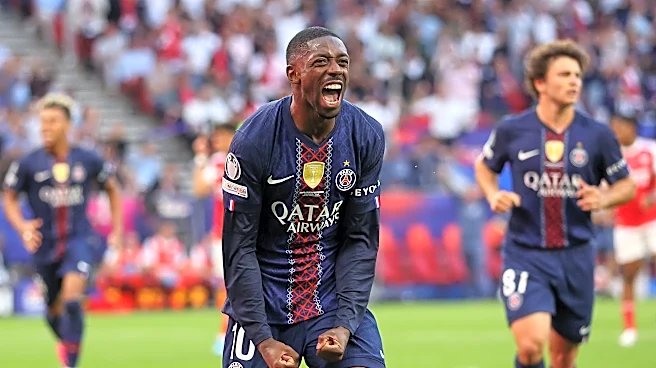
Paris Saint-Germain (PSG) has been crowned the Champions League winners, marking a significant achievement under the management of Luis Enrique. The team, known for its tactical coherence and focus, has evolved from its previous celebrity-driven image
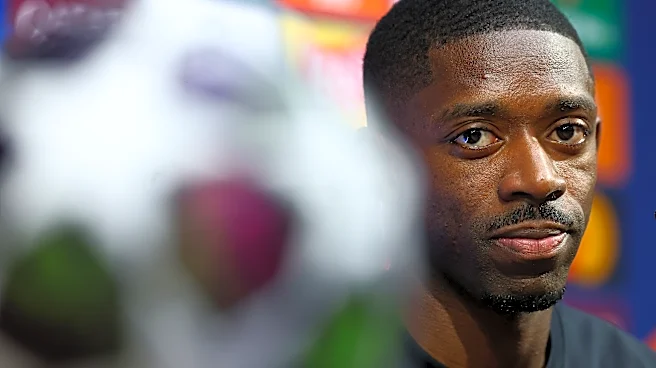
to a more disciplined and strategically sound unit. This transformation has been characterized by a shift in playing style, with players like Vitinha and Dembélé playing pivotal roles in the team's success. Despite bypassing the domestic league, PSG's focus on the Champions League has paid off, with key players contributing more in European matches than in Ligue 1. The team's success is attributed to a combination of tactical innovations and the strategic vision of its Qatari ownership, which has prioritized European success over domestic achievements.
Why It's Important?
PSG's victory in the Champions League underlines the growing influence of strategic management and tactical innovation in modern football. The team's success highlights the potential for clubs to achieve international success by focusing resources and efforts on key competitions. This approach, while effective, raises questions about the balance between domestic and international priorities in football. For the U.S., where soccer is gaining popularity, PSG's model could influence how American clubs approach international competitions. The emphasis on tactical coherence and strategic planning could serve as a blueprint for U.S. teams aiming to compete on the global stage.
What's Next?
Following their Champions League success, PSG is likely to continue focusing on maintaining their dominance in European football. The club may look to further strengthen its squad and refine its tactical approach to ensure continued success. Other clubs, both in Europe and potentially in the U.S., may study PSG's model to replicate its success. The focus on international competitions could lead to a shift in how clubs prioritize their resources, potentially impacting domestic leagues and the overall structure of football competitions.
Beyond the Headlines
PSG's success also highlights the role of soft power in sports, with the Qatari ownership using the club as a vehicle for international influence. This raises ethical questions about the intersection of sports and politics, particularly in terms of how financial power can shape the landscape of international football. The club's ability to attract top talent and implement innovative strategies reflects broader trends in sports management, where data-driven approaches and strategic planning are becoming increasingly important.