






What's Happening?
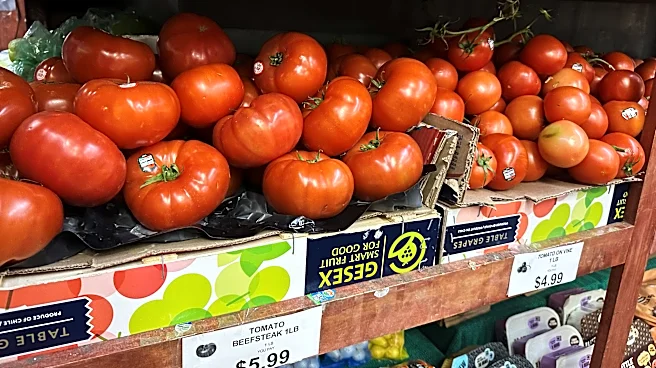
Tomato prices in the United States have surged by approximately 40% over the past year, becoming a significant symbol of the broader affordability issues facing American consumers. This increase is attributed to a combination of factors, including trade
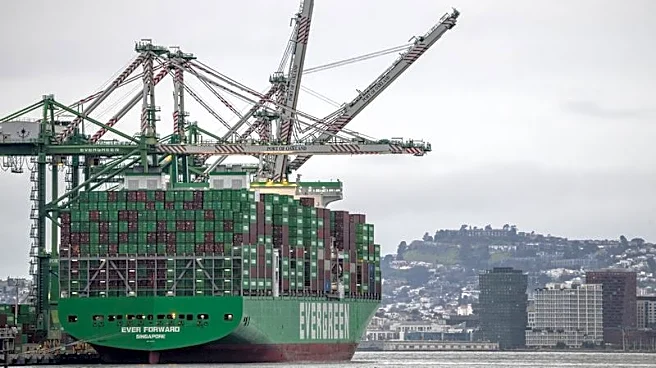
policies and geopolitical tensions. The U.S. withdrawal from a trade agreement with Mexico, which previously allowed duty-free tomato imports, has led to a 17% tariff on Mexican tomatoes, a major source of the U.S. supply. Additionally, the Iran war has contributed to higher gas prices, further increasing shipping costs. These factors have resulted in a dramatic rise in tomato prices, affecting both consumers and businesses. For instance, Snarf's Sandwiches, a chain operating in several states, has seen its tomato costs triple, significantly impacting its operational expenses.
Why It's Important?
The rising cost of tomatoes is indicative of a larger economic challenge, as it reflects the impact of international trade policies and geopolitical events on everyday consumer goods. The increased prices are not only a burden on individual consumers but also on businesses that rely heavily on tomatoes as a key ingredient. This situation underscores the interconnectedness of global trade and domestic economic conditions, highlighting how policy decisions can have far-reaching effects on the economy. The affordability crisis is exacerbated by similar price hikes in other essential goods, such as coffee and beef, which further strain household budgets and business operations.
What's Next?
Experts suggest that tomato prices may decrease later in the year when domestically grown tomatoes are harvested, potentially alleviating some of the current financial pressures. However, the long-term impact of tariffs and geopolitical tensions remains uncertain. Businesses may need to adjust their supply chains or seek alternative sources to mitigate costs. Consumers might also turn to home gardening as a cost-saving measure. The situation calls for careful monitoring of trade policies and their implications on the economy, as well as potential adjustments to mitigate the impact on consumers and businesses.