
What's Happening?
Electric vehicle (EV) sales have experienced a significant increase globally, particularly in the United States and Europe, as consumers seek alternatives to traditional combustion vehicles due to soaring
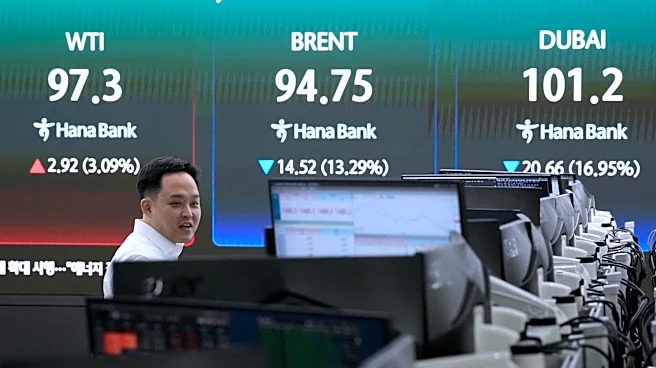
gas prices. The rise in fuel costs is largely attributed to the ongoing conflict in Iran, which has disrupted oil supplies and led to increased prices at the pump. This shift marks a reversal from previous trends where consumers had returned to combustion vehicles due to lower fuel costs and supply chain issues affecting EVs. Companies like Octopus Electric Vehicles and Autotrader have reported substantial increases in leasing and purchase inquiries for both new and used EVs. Similar patterns are observed in European countries such as France, Poland, and Germany, where EV sales have also surged.
Why It's Important?
The increase in EV sales highlights a significant shift in consumer behavior driven by economic pressures. As gas prices continue to rise, electric vehicles offer a more stable and potentially cost-effective alternative, reducing dependency on volatile oil markets. This trend is likely to have long-term implications for the automotive industry, encouraging manufacturers to accelerate the production and development of EVs. Additionally, the shift towards electric transportation could contribute to environmental benefits by reducing carbon emissions associated with traditional vehicles. The sustained interest in EVs may also influence public policy, prompting governments to invest more in infrastructure to support electric transportation.
What's Next?
As the conflict in Iran persists, oil prices are expected to remain unstable, potentially driving further interest in electric vehicles. Manufacturers may respond by increasing production capacity and expanding their EV offerings to meet growing consumer demand. Governments might also consider implementing policies to support the transition to electric transportation, such as subsidies for EV purchases or investments in charging infrastructure. The automotive industry will likely continue to monitor these trends closely, adapting strategies to align with changing consumer preferences and market conditions.