



What's Happening?
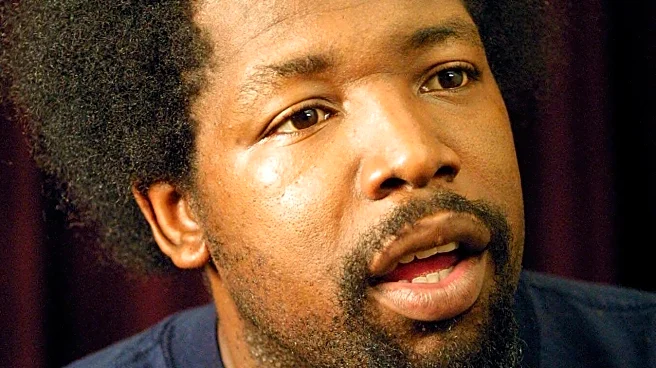
In a recent legal battle, rapper Afroman, whose real name is Joseph Foreman, emerged victorious in a lawsuit filed by seven officers from the Adams County Sheriff's Department in Ohio. The officers had raided Afroman's home in 2022 on suspicions of drug
trafficking and kidnapping, but found no evidence to support these claims. Following the raid, Afroman used footage from his home security system to create a viral music video titled 'Lemon Pound Cake,' which humorously depicted one of the officers eyeing a cake in his kitchen. The officers sued Afroman for invasion of privacy, claiming he used their images without consent and sought $3.9 million in damages. However, a jury sided with Afroman, ruling in his favor on all counts. The case highlighted issues surrounding First Amendment rights and artistic expression, with the ACLU of Ohio supporting Afroman's right to criticize the officers through his music.
Why It's Important?
This case underscores the ongoing debate over the boundaries of free speech and artistic expression in the United States. Afroman's victory is significant as it reinforces the protection of artists under the First Amendment, allowing them to critique public officials and law enforcement through their work. The lawsuit also draws attention to the use of SLAPP (Strategic Lawsuit Against Public Participation) suits, which are often employed to silence critics through costly legal battles. The jury's decision may deter similar lawsuits in the future, encouraging artists and individuals to continue expressing dissent without fear of legal repercussions. Additionally, the case highlights the potential misuse of law enforcement power and the importance of accountability, as the officers' actions during the raid were publicly scrutinized and ultimately ridiculed.
What's Next?
Following the verdict, it is likely that discussions around the limits of privacy rights for public officials and the scope of artistic freedom will continue. The outcome may prompt law enforcement agencies to reconsider their approach to handling public criticism and the potential legal ramifications of their actions. For Afroman, the victory could lead to increased visibility and support for his music, as well as further exploration of social and political themes in his work. The case may also inspire other artists to address controversial topics, knowing that the legal system can uphold their right to free expression.