






What's Happening?
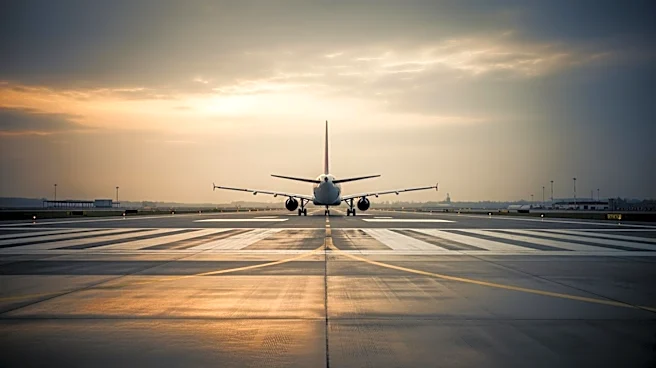
Spirit Airlines, once the largest U.S. discount carrier, has ceased operations following its second bankruptcy filing in less than a year. The airline struggled with increased competition from larger airlines, failed mergers, and a significant rise in jet
fuel prices due to geopolitical tensions. CEO Dave Davis stated that the airline 'ran out of runway' as it failed to secure necessary financial support to continue operations. Efforts to obtain a $500 million loan from the Trump administration, which would have given the government a significant stake in the airline, fell through due to disagreements with bondholders. The shutdown has resulted in the loss of approximately 17,000 jobs, affecting both direct and indirect employees.
Why It's Important?
The collapse of Spirit Airlines highlights the challenges faced by smaller carriers in a highly competitive industry dominated by a few major players. The airline's failure underscores the impact of external factors such as fuel price volatility and geopolitical events on the aviation sector. The shutdown not only affects the airline's employees but also disrupts travel plans for thousands of passengers. Other airlines are likely to benefit from Spirit's absence by absorbing its market share and increasing their flight schedules. The situation also raises questions about the effectiveness of government intervention in struggling industries and the complexities of negotiating financial bailouts.
What's Next?
In the wake of Spirit Airlines' shutdown, other carriers are expected to quickly fill the void left in the market. This could lead to increased consolidation in the airline industry as larger airlines seek to expand their reach. The Trump administration's involvement in the bailout discussions may prompt further debate on the role of government in supporting failing businesses. Additionally, the airline's creditors and stakeholders will likely engage in legal and financial proceedings to address outstanding debts and obligations. The broader implications for the airline industry may include a reevaluation of business models and strategies to mitigate risks associated with fuel price fluctuations and geopolitical instability.