



What's Happening?
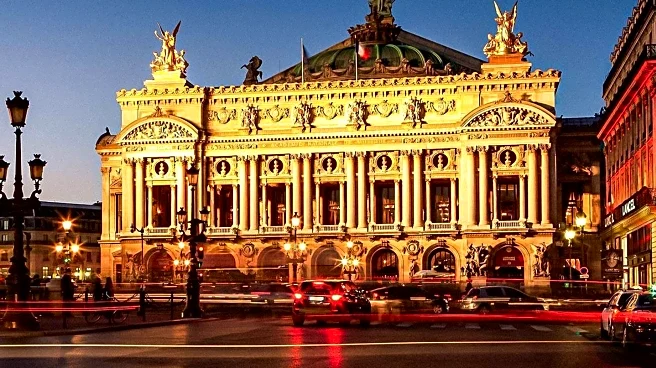
Despite a global decline in opera attendance, new opera houses are being constructed worldwide, reflecting a renewed investment in cultural venues. This trend is evident in cities like Hanoi, where a new opera house designed by Renzo Piano is under construction. The project is part of a broader effort to enhance urban identity and cultural prestige. Similar developments are occurring in cities like Shanghai, Taiwan, and Riyadh, where new cultural centers are being built. These projects aim to restore the communal experience of live performances and redefine the role of cultural buildings as strategic tools for urban development and economic growth.
Why It's Important?
The construction of new opera houses amidst declining attendance highlights the evolving role of cultural
venues in urban planning and development. These projects are not just about preserving traditional art forms but are strategic investments in urban identity and economic growth. By creating iconic architectural landmarks, cities aim to attract tourists, enhance cultural prestige, and stimulate local economies. This trend reflects a broader shift towards using culture as a tool for urban renewal and branding, emphasizing the importance of cultural infrastructure in shaping modern cities.
Beyond the Headlines
The resurgence of opera houses raises questions about the sustainability and accessibility of cultural institutions in the modern era. As cities invest in grand cultural projects, there is a need to ensure these venues remain accessible and relevant to diverse audiences. The focus on iconic architecture also highlights the intersection of culture and commerce, where cultural institutions serve as both artistic spaces and economic assets. This dynamic underscores the importance of balancing cultural preservation with innovation and inclusivity in the arts.