

What's Happening?
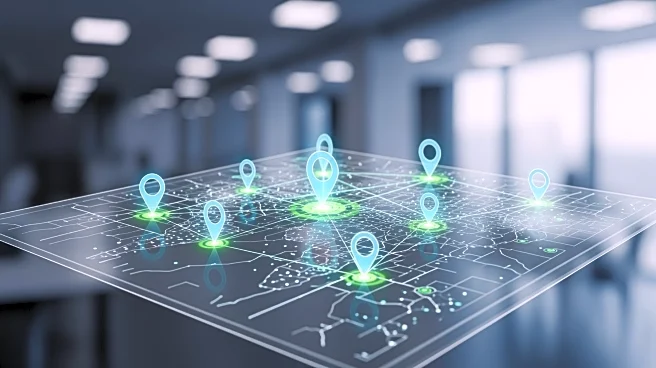
Nametag has launched a new feature called Location Integrity, which enhances its identity verification engine, Deepfake Defense. This innovation allows companies to verify the physical location of remote workers, addressing the growing issue of employment
fraud. The feature uses cryptographically-attested signals to create a tamper-resistant record of a device's true location during verification. This development is particularly significant in light of recent reports of large-scale hiring fraud schemes involving North Korean operatives using deepfakes and stolen identities to secure remote IT jobs. By ensuring the physical presence of employees, Nametag aims to prevent sanctioned-region employment violations, detect proxy operators, and support compliance investigations.
Why It's Important?
The introduction of Location Integrity by Nametag is crucial for companies managing distributed workforces, as it provides a reliable method to verify the physical location of employees. This is particularly important in preventing employment fraud, which can lead to regulatory exposure, reputational damage, and security breaches. By ensuring that remote workers are physically present in approved locations, companies can protect themselves from intellectual property theft and ransomware attacks. This feature also supports compliance with geographic workforce policies and aids in audit and compliance investigations, making it a valuable tool for security-conscious organizations.
What's Next?
Nametag's Location Integrity is available to current customers, who can integrate GPS location checks into their existing identity verification processes. This feature can be used in various scenarios, such as during onboarding or access requests, to ensure that remote workers are in approved locations. As more companies adopt this technology, it is likely to become a standard practice in remote workforce management, helping to mitigate the risks associated with remote employment fraud. Organizations may also explore further integration of this technology into their security and compliance frameworks to enhance overall workforce security.