


What's Happening?
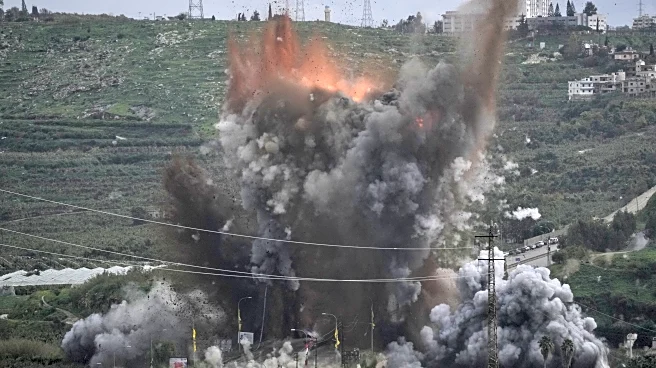
The ongoing conflict with Iran has significantly disrupted the global publishing supply chain, particularly affecting logistics and insurance. A recent incident involved a ship carrying a new anthology by cartoonist Roberta Gregory, which was struck by a missile
in the Persian Gulf. Although the ship and crew reached safety, the status of the freight remains uncertain, and the book's launch has been delayed. The conflict has led to increased fuel surcharges on ocean and air freight, with costs varying widely. Major book fairs in the Middle East have been postponed, adding to the uncertainty. Insurance companies have canceled war risk coverage for vessels in the region, further complicating logistics.
Why It's Important?
The disruptions in the publishing supply chain have broader implications for the industry, particularly in the U.S. Rising fuel costs and logistical challenges could lead to increased book prices and delays in availability, affecting publishers' ability to meet demand during critical sales periods. The cancellation of war risk insurance adds financial risk for companies shipping goods through conflict zones. The postponement of major book fairs could impact international rights sales and networking opportunities, crucial for publishers' global strategies. The situation underscores the vulnerability of global supply chains to geopolitical conflicts, with potential long-term effects on the publishing industry.
What's Next?
Publishers are likely to face continued challenges as they navigate the logistical and financial impacts of the conflict. They may need to explore alternative shipping routes and adjust pricing strategies to mitigate rising costs. The industry will be closely monitoring developments in the Middle East, particularly any escalation of tensions that could further disrupt supply chains. Additionally, publishers may need to reassess their participation in international book fairs and explore virtual alternatives to maintain global connections. The situation highlights the need for contingency planning and risk management in the face of geopolitical uncertainties.