


What's Happening?
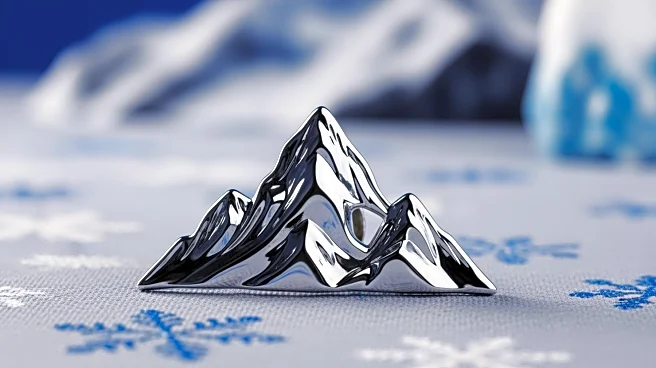
The tradition of Olympic pin trading has gained significant attention at the 2026 Milano Cortina Games. Originally starting as simple cardboard tokens for identification in the 1800s, pin trading has evolved into a popular subculture among athletes, staff, and fans. At the current Games, pin trading is likened to an unofficial Olympic event, with enthusiasts strategizing to collect rare designs. The tradition serves as a means of connection, allowing athletes and attendees to share personal stories and break language barriers. American luger Sophia Kirkby, known for her handmade pins, highlights the personal touch and joy of creating and exchanging pins. The practice is not limited to athletes; volunteers and spectators also participate, often
preparing by purchasing pins online or at the Games. Technology has also entered the scene, with AI-powered pin-trading robots and smartphone games enhancing the experience.
Why It's Important?
Pin trading at the Olympics represents more than just a hobby; it fosters international camaraderie and cultural exchange. For athletes, it provides a unique opportunity to connect beyond competitive boundaries, promoting friendship and understanding. The tradition encourages interaction among diverse groups, including volunteers and spectators, enhancing the overall Olympic experience. It also serves as a networking tool, allowing participants to share their stories and create lasting memories. The expansion of pin trading at the 2026 Games underscores its growing significance as a cultural phenomenon, contributing to the inclusive and celebratory atmosphere of the Olympics.
What's Next?
As pin trading continues to gain popularity, it may become an even more integral part of future Olympic Games. Organizers might consider formalizing the tradition with dedicated events or spaces for trading. The involvement of technology, such as AI-powered robots, suggests potential for further innovation in how pins are exchanged. Additionally, the tradition could inspire similar practices at other international events, promoting global connection and cultural exchange. Stakeholders, including athletes and sponsors, may explore opportunities to leverage pin trading for branding and engagement purposes.
Beyond the Headlines
The tradition of pin trading highlights the softer, human side of the Olympics, contrasting with the intense focus on competition and performance. It serves as a reminder of the Games' original spirit of unity and peace. The practice also raises questions about the commercialization of Olympic traditions, as brands and sponsors increasingly participate in pin creation and distribution. Ethical considerations may arise regarding the production and trading of pins, particularly in terms of sustainability and fair trade practices. As the tradition grows, it may influence broader cultural trends in collectibles and memorabilia.