








What's Happening?
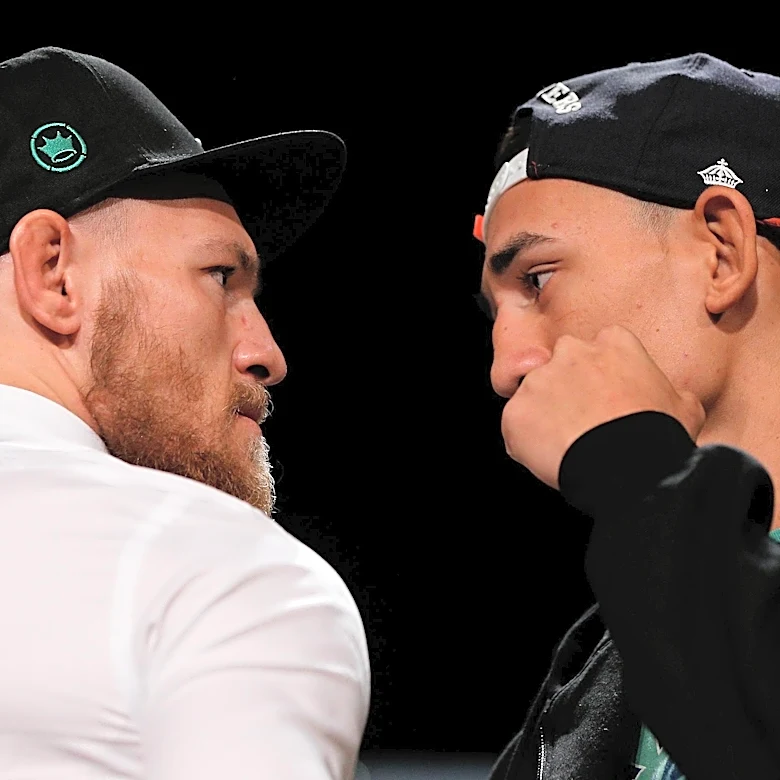
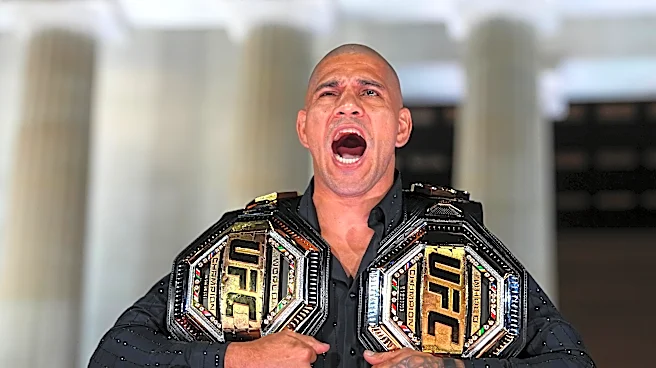
At UFC Freedom 250, Sean O'Malley defeated Aiemann Zahabi via knockout, showcasing not only his prowess in the octagon but also the stark financial differences between the two fighters. O'Malley, who has been a part of the UFC since 2017, has amassed
significant earnings, with his total career earnings exceeding $10 million. His financial success is attributed to base salaries, win bonuses, performance bonuses, and pay-per-view revenue shares. In contrast, Zahabi's highest reported earning in his UFC career is $85,000. The event also featured substantial bonus payouts, with World Liberty Financial and Crypto.com contributing to a $1.65 million bonus pool.
Why It's Important?
The financial disparity between fighters like O'Malley and Zahabi highlights broader issues within the UFC regarding fighter compensation. While O'Malley has leveraged his success in the octagon to build a substantial net worth, Zahabi's earnings reflect the challenges faced by many fighters in achieving financial stability. This disparity underscores ongoing debates about fighter pay in the UFC, where athletes receive a smaller percentage of promotion revenue compared to other major sports leagues. The event's significant bonus payouts, partially funded by cryptocurrency firms, also illustrate the growing influence of digital currencies in sports sponsorships.
What's Next?
The UFC's recent broadcast deal with Paramount+ and promises of ongoing fighter pay raises could lead to changes in how fighters are compensated. As the organization continues to grow, there may be increased pressure to align fighter pay more closely with revenue shares seen in other sports leagues. Additionally, the involvement of cryptocurrency firms in sponsorships may signal a shift towards more diverse and innovative funding sources for fighter bonuses and promotions.