








What's Happening?
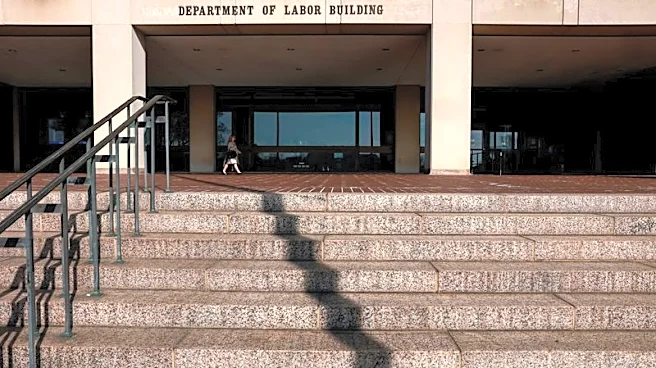
The U.S. Department of Labor has approved Nevada's proposal to adopt prevailing wage rates for federal Davis-Bacon projects within the state. This decision ensures that workers on state or federally funded public works projects in Nevada will receive
consistent wages. The initiative, led by Nevada Labor Commissioner Brett Harris, aims to streamline compliance for contractors and establish uniform wage rates, regardless of the funding source. This alignment is expected to reduce administrative burdens and promote fairness across the workforce. As of March 31, 2026, Nevada has 1,948 active public works projects with a combined value exceeding $17 billion, covering sectors such as transportation, education, and water systems. The prevailing wage policy is retroactive to rates published on October 1, 2025, and future updates will be synchronized with the U.S. Department of Labor.
Why It's Important?
The alignment of state and federal wage standards is a significant development for Nevada's workforce and construction industry. By ensuring consistent wages, the policy supports economic stability and fairness for workers across various sectors. Contractors benefit from simplified compliance processes, which can lead to more efficient project management and cost predictability. The policy also strengthens Nevada's infrastructure investment, supporting thousands of jobs in both urban and rural areas. This move is crucial for maintaining competitive compensation in Nevada's diverse labor markets, which is vital for attracting and retaining skilled workers.
What's Next?
Nevada will continue to provide prevailing wage updates directly to the U.S. Department of Labor, ensuring that state and federal rates are adopted simultaneously for annual updates and classification changes. This ongoing collaboration is expected to further streamline processes and enhance wage consistency. Stakeholders, including contractors and labor organizations, will likely monitor the implementation of these changes to assess their impact on project costs and workforce dynamics. The policy's success could serve as a model for other states seeking to align their wage standards with federal guidelines.