
What's Happening?
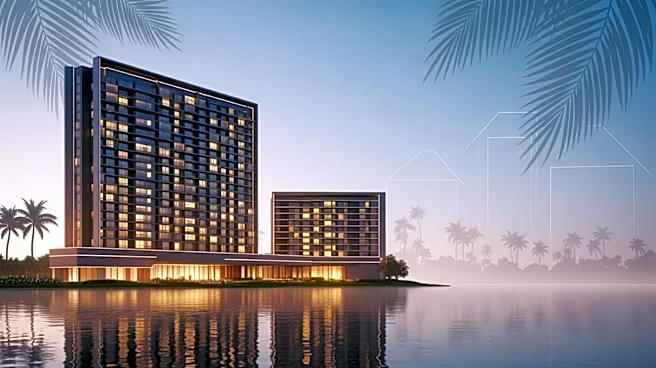
Luxury hotels are increasingly becoming part of mixed-use developments, integrating residential, retail, and wellness components to create comprehensive lifestyle ecosystems. This trend is driven by the
demand for environments that offer more than just accommodation, providing guests with access to dining, shopping, and wellness experiences within a single location. The luxury segment is leading this shift, with high-end travelers seeking curated and integrated experiences. Mixed-use developments are not only reshaping hotel design but also enhancing the financial resilience of hospitality assets by diversifying revenue streams and increasing guest engagement.
Why It's Important?
The integration of hotels into mixed-use developments represents a significant shift in the hospitality industry, offering a more resilient business model by diversifying income sources. This approach aligns with changing consumer preferences for seamless and holistic experiences, potentially increasing the appeal and profitability of luxury hotels. By embedding hotels within broader ecosystems, developers can attract a wider range of customers and enhance the overall value of their properties. This trend also reflects broader changes in urban planning, where mixed-use environments are becoming the norm, offering convenience and reducing the need for travel between different lifestyle activities.
What's Next?
As mixed-use developments continue to gain traction, the design and operation of hotels will need to adapt to accommodate multiple uses and audiences. This includes creating flexible spaces that can serve various functions and ensuring seamless integration with other components of the development. The success of these projects will depend on early planning and collaboration among stakeholders, including hotel operators, developers, and local authorities. The trend is expected to expand beyond luxury markets, with secondary and tertiary markets also adopting mixed-use concepts to enhance economic viability and community engagement.
Beyond the Headlines
The rise of mixed-use developments in the hospitality sector highlights a broader cultural shift towards integrated living and working environments. This trend reflects changing societal values, where convenience and community are prioritized. It also poses challenges in terms of maintaining brand identity and operational complexity, as hotels must balance the needs of diverse user groups. The success of these developments will depend on thoughtful design and management, ensuring that they enhance rather than dilute the guest experience.