






What's Happening?
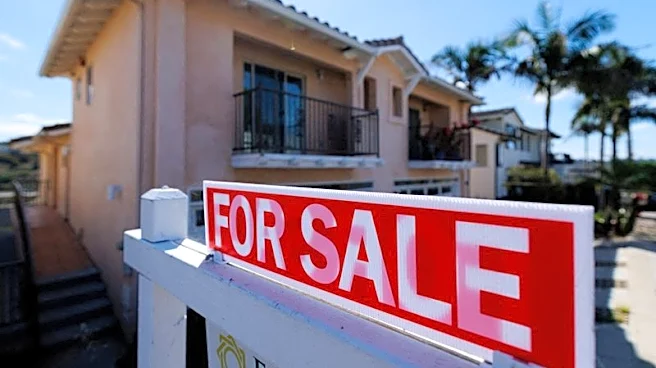
The average long-term U.S. mortgage rate has decreased to 6.37% from 6.46% last week, according to Freddie Mac. This decline comes after five consecutive weeks of rising rates, providing some relief to prospective homebuyers facing higher borrowing costs.
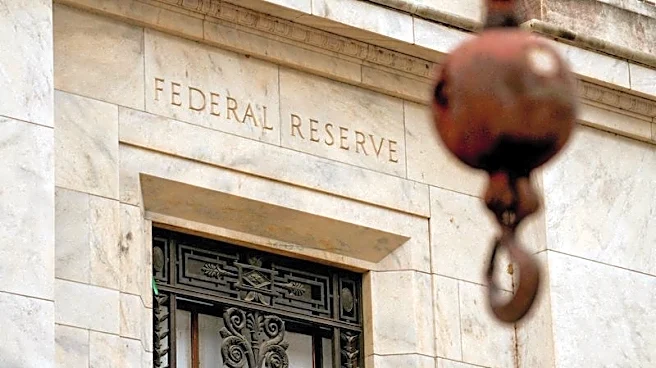
The 30-year fixed-rate mortgage rate is now similar to levels seen two weeks ago. Meanwhile, the 15-year fixed-rate mortgage, popular among those refinancing, also saw a slight decrease. The recent fluctuations in mortgage rates are influenced by various factors, including the Federal Reserve's interest rate policies and bond market expectations. The yield on 10-year U.S. Treasury bonds, which influences mortgage rates, was at 4.28% in midday trading, slightly down from 4.3% a week ago. The ongoing conflict with Iran and its impact on oil prices have contributed to inflation concerns, affecting the bond market and mortgage rates.
Why It's Important?
The easing of mortgage rates is significant for the U.S. housing market, which has been in a slump since 2022 due to rising rates. Lower mortgage rates can make home buying more affordable, potentially boosting home sales during the spring buying season. However, the ongoing conflict with Iran and resulting inflation fears could lead to further rate volatility. The Federal Reserve's decisions on interest rates, influenced by inflation expectations, will be closely watched by bond investors. Any sustained increase in mortgage rates could dampen home sales, affecting the broader economy. The housing market's performance is crucial as it impacts consumer spending and economic growth.
What's Next?
The future of mortgage rates will depend on several factors, including the resolution of the conflict with Iran and the Federal Reserve's actions on interest rates. A ceasefire has been announced, but its durability remains uncertain. If inflation continues to rise, the Fed may be less inclined to cut rates, which could keep mortgage rates elevated. The housing market will be closely monitored for signs of recovery or further decline, with potential implications for economic policy and consumer confidence.