
What's Happening?
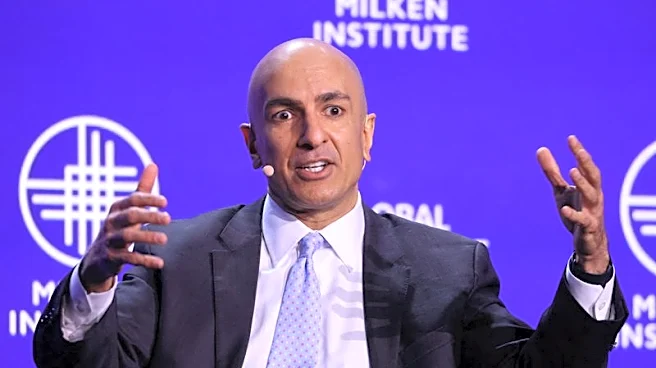
Chicago Fed President Austan Goolsbee has expressed concerns over recent inflation data, describing it as 'bad news' for the U.S. Federal Reserve. The data indicates that the Personal Consumption Expenditures
price index, the Fed's preferred measure of inflation, rose at a 3.5% annual rate in March. Goolsbee emphasized the need for caution regarding rate cuts until inflation trends show signs of receding. He stressed the importance of returning to the Fed's 2% inflation target, noting that inflation is rising even in service industries that are typically insulated from broader economic fluctuations.
Why It's Important?
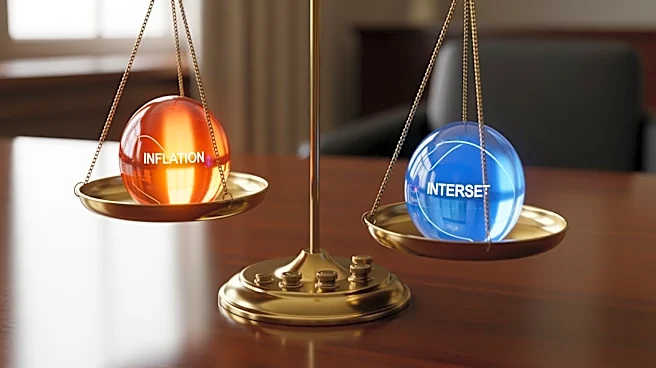
Goolsbee's remarks underscore the challenges the Federal Reserve faces in managing inflation while considering potential rate cuts. The elevated inflation rate poses risks to economic stability and could impact consumer purchasing power and business investment decisions. The Fed's cautious approach reflects the need to balance inflation control with economic growth. Stakeholders, including businesses and consumers, are affected by these decisions, as they influence borrowing costs and financial planning. The Fed's ability to navigate these challenges is crucial for maintaining economic confidence and stability.
What's Next?
The Federal Reserve is likely to continue monitoring inflation data closely to determine the appropriate timing for any rate adjustments. Goolsbee's emphasis on caution suggests that the Fed may delay rate cuts until there is clear evidence of inflation receding. Future policy meetings will focus on assessing economic indicators and making decisions that align with the Fed's inflation target. Stakeholders, including financial markets and policymakers, will be attentive to the Fed's actions and their implications for economic growth and stability.