





What's Happening?
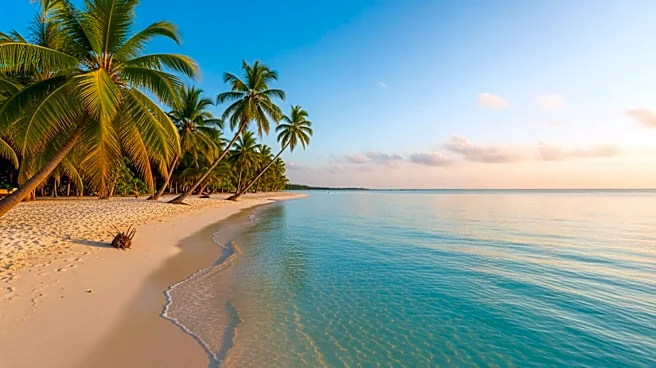
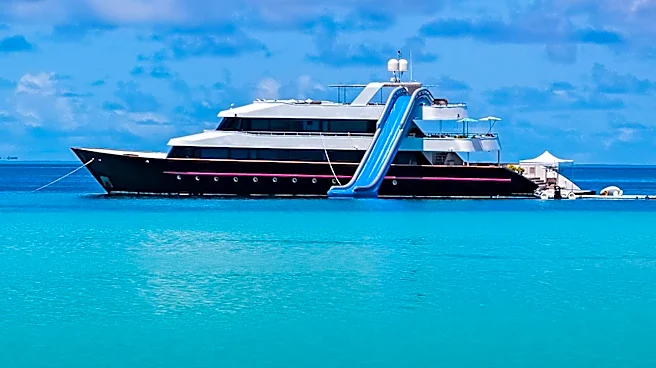
Nautical tourism is becoming increasingly popular among wealthy travelers, particularly in the Caribbean. This shift is characterized by a preference for privacy, tailored itineraries, and longer stays, as opposed to traditional beach holidays. Marinas
are expanding, and yachts are docking for extended periods, leading to increased spending in local economies. This trend is driven by a desire for seclusion, real interactions with locals, and health-focused routines. As a result, nautical tourism is outperforming older travel models, with significant economic benefits for regions that cater to these high-net-worth individuals.
Why It's Important?
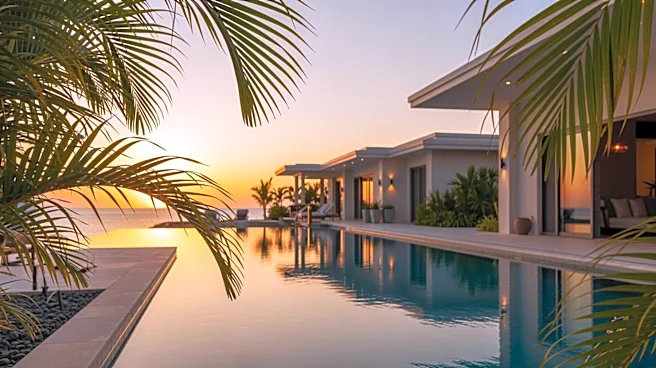
The rise of nautical tourism is significant for the Caribbean economies as it brings sustained spending rather than just ticket sales. Wealthy travelers contribute to various sectors, including upscale housing, dining, and retail, as well as private flights. This economic impact is not limited to marinas but extends to local shops, service workers, and niche markets tailored to maritime guests. The transformation in high-end travel preferences indicates a shift from traditional resorts to experiences that offer privacy, nature, and local culture. However, unchecked development could lead to negative consequences such as overcrowding and environmental degradation.
What's Next?
For the Caribbean to sustain the benefits of nautical tourism, it is crucial to develop quality marinas that prioritize environmental protection and local culture. This involves implementing fair charter rules and ensuring that tourism development does not overshadow local traditions. By maintaining a balance between growth and sustainability, regions can continue to attract high-end travelers without compromising their natural and cultural assets. The challenge lies in planning and managing tourism growth to prevent the loss of charm and identity that can occur with rapid development.
Beyond the Headlines
The evolution of nautical tourism reflects broader changes in high-end travel, where experiences that offer privacy and connection to nature are increasingly valued. This trend highlights the importance of sustainable tourism practices that preserve the unique characteristics of destinations. As more regions recognize the potential of nautical tourism, there is an opportunity to redefine luxury travel by focusing on quality over quantity. This approach not only benefits local economies but also ensures that tourism remains a positive force for cultural and environmental preservation.