







What's Happening?
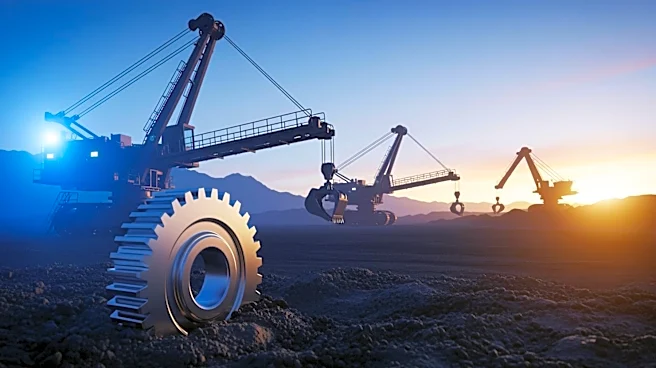
The mining industry in Australia is undergoing significant changes due to the increasing adoption of automation technologies. Fly-in fly-out (FIFO) workers, who are essential to remote mining operations, are experiencing shifts in their roles as automation takes
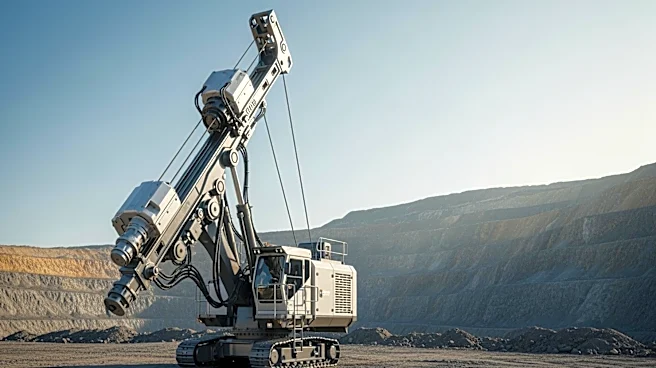
over tasks traditionally performed by humans. Automated vehicles, robotic drilling systems, and AI-powered delivery robots are being deployed to enhance safety and efficiency. This shift is driven by the need to reduce human error and improve working conditions in remote and challenging environments. Despite the rise of automation, there remains a demand for human labor, particularly in roles that require complex decision-making and oversight. However, the industry faces a challenge in retraining workers to adapt to new technology-driven roles.
Why It's Important?
The automation of mining operations in Australia has significant implications for the industry and its workforce. While automation promises to improve safety and operational efficiency, it also raises concerns about job displacement and the need for retraining. The transition to automated systems could lead to a reduction in the number of traditional FIFO roles, impacting the economic contribution of these workers to regional communities. However, it also presents opportunities for new, technology-focused roles that require advanced skills in data analytics and remote monitoring. The industry's ability to manage this transition effectively will determine its future workforce dynamics and economic impact.
What's Next?
As automation continues to reshape the mining industry, companies will need to invest in retraining programs to equip workers with the skills needed for new roles. The focus will likely be on developing expertise in technology-driven tasks, such as remote monitoring and data analysis. Additionally, the industry may see a shift towards shorter work rotations and more flexible employment arrangements. Stakeholders, including mining companies, government agencies, and labor organizations, will need to collaborate to ensure a smooth transition that balances technological advancement with workforce sustainability.
Beyond the Headlines
The move towards automation in mining raises broader questions about the future of work and the ethical implications of technological displacement. Ensuring that workers are not left behind in this transition is crucial. The industry must address potential skill gaps and provide support for workers to adapt to new roles. Moreover, the integration of automation in mining could serve as a model for other industries facing similar challenges, highlighting the importance of balancing innovation with social responsibility.