





What's Happening?
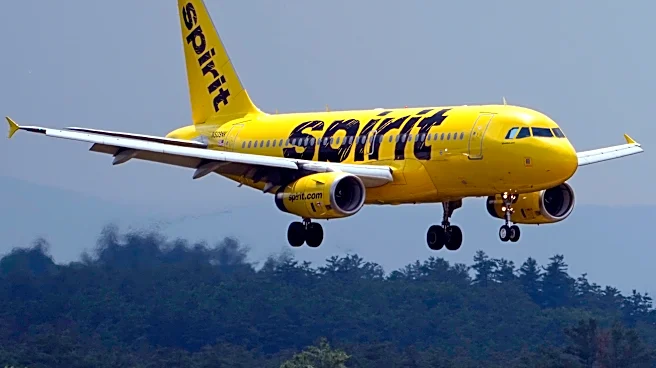
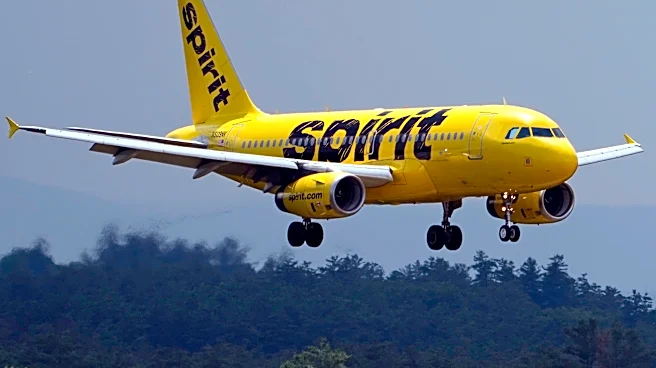
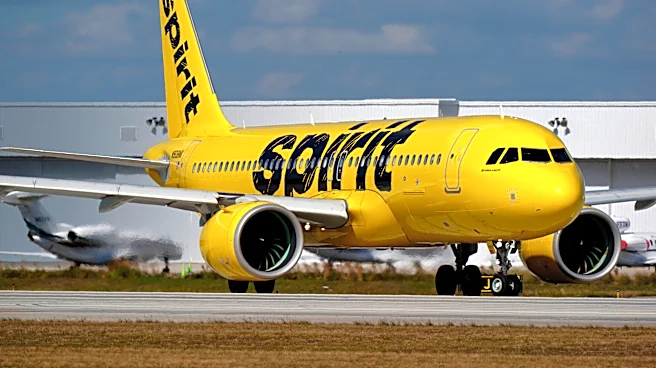
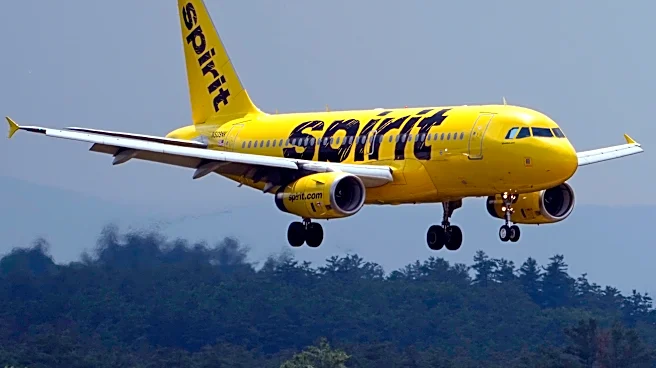
Spirit Airlines, known for its low-cost fares and distinctive yellow planes, has announced it is going out of business after 34 years. The airline, which employed approximately 17,000 people, has begun an orderly wind-down of operations, canceling all
flights and ceasing customer service. The decision follows financial struggles exacerbated by the COVID-19 pandemic and rising jet fuel prices due to the ongoing conflict between the U.S. and Iran. Despite discussions of a government bailout under the Trump administration, no agreement was reached. Spirit had filed for bankruptcy protection twice in recent years, citing significant debts and losses.
Why It's Important?
The closure of Spirit Airlines is significant as it affects thousands of employees and disrupts travel plans for numerous passengers. The airline's shutdown reduces competition in the airline industry, potentially leading to higher airfares, particularly impacting budget-conscious travelers. Spirit's absence will be felt in major hubs like Las Vegas and Florida, where it had a substantial presence. The situation highlights the broader challenges faced by the airline industry, including financial instability and the impact of geopolitical tensions on operational costs.
What's Next?
In the wake of Spirit's closure, affected passengers are advised to seek refunds through credit card companies or travel insurance. Other airlines are offering special prices to accommodate displaced travelers. The airline industry may see further consolidation as companies navigate financial pressures. The government and industry stakeholders may need to reassess support mechanisms for struggling airlines to prevent similar closures in the future.