




What's Happening?
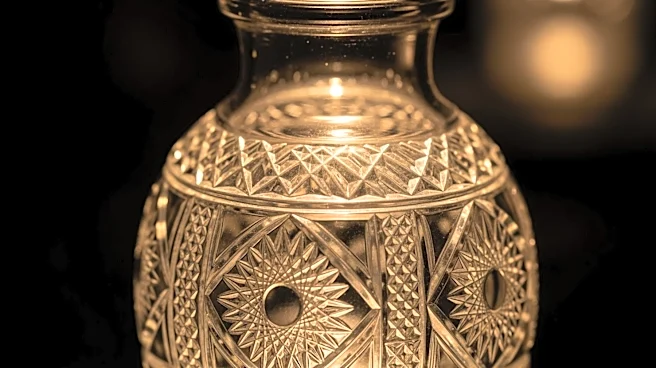
A rare 14th-century Mamluk glass bowl sold for a record £5.5 million at a London auction, leading the spring sales of Indian and Islamic art. The bowl, deaccessioned from the Toledo Museum of Art, exceeded its high estimate by over three times. The auctions,
held by Sotheby's and Christie's, saw strong participation from new museums and private collectors, despite geopolitical tensions. The sales included significant lots such as a 17th-century Mughal astrolabe and collections of Iznik ceramics and Indian paintings, reflecting a robust market for these art forms.
Why It's Important?
The record sale of the Mamluk glass bowl underscores the growing interest and investment in Islamic and Indian art, even amid global geopolitical tensions. This trend highlights the resilience of the art market and the increasing value placed on cultural heritage items. The participation of new museums and collectors indicates a broadening of the market, which could lead to further appreciation of these art forms. The success of these auctions may encourage more institutions to deaccession items, potentially increasing the availability of rare artworks in the market.
What's Next?
The strong performance of these auctions may lead to increased interest in future sales of Islamic and Indian art. Collectors and institutions may seek to capitalize on the current market momentum, potentially leading to more record-breaking sales. The involvement of new museums and collectors could drive demand for similar auctions, encouraging auction houses to source more high-quality items. Additionally, the success of these sales may prompt further exploration of underrepresented art forms, expanding the diversity of offerings in the art market.