




What's Happening?
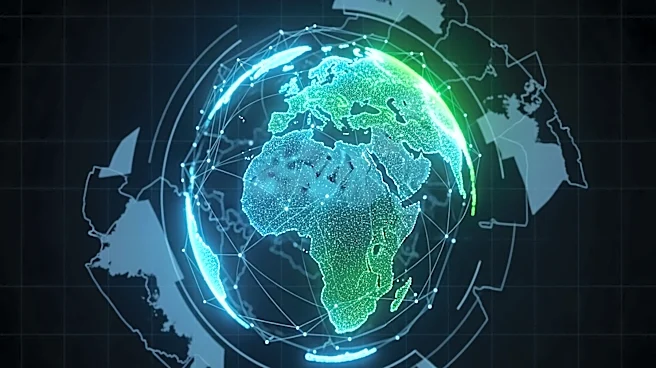
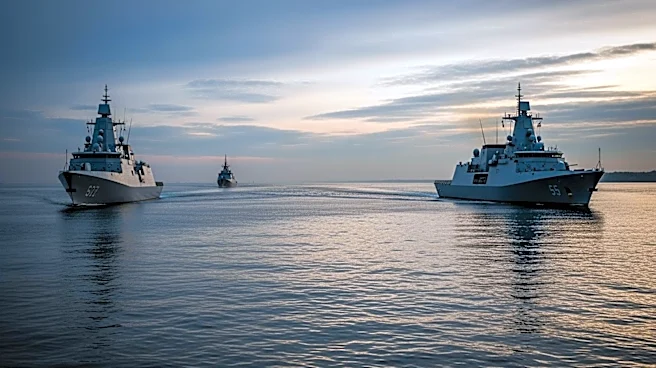
The digital age has not diminished the importance of geography; rather, it has intensified it, creating new economic chokepoints. Historically, strategic locations such as the Suez Canal and the Strait of Hormuz have been pivotal for trade and empires.
In the modern era, these chokepoints have expanded to include subsea cables, data centers, and other physical infrastructures that support the digital economy. The reliance on these infrastructures means that any disruption can have immediate and widespread effects on payment systems, financial markets, and essential services. The digital economy, while seemingly abstract, is deeply rooted in physical geography, making control over these critical junctions a strategic priority.
Why It's Important?
The increased dependence on physical infrastructure for digital operations highlights the strategic importance of geography in the modern economy. Control over these infrastructures can dictate the seamless operation of the digital world, affecting everything from financial transactions to public services. As global systems become more sensitive to disruptions, the ability to maintain operational continuity becomes a significant competitive advantage. This shift underscores the need for diversified routes and robust infrastructure to mitigate risks associated with single chokepoint failures. The economic implications are profound, as regions with strategic locations can leverage their position for growth and influence in the global market.
What's Next?
As the digital economy continues to grow, the focus on infrastructure development and diversification will likely intensify. Countries and regions will invest in expanding their digital and physical infrastructures to ensure operational continuity and reduce dependency on single chokepoints. This may lead to new trade corridors, enhanced aviation access, and cross-border digital infrastructure projects. The financing and standard-setting for these infrastructures will become crucial, as those who control these aspects can influence global protocols and access conditions. The strategic importance of geography will continue to shape economic policies and international relations.
Beyond the Headlines
The transformation of geography into an economic asset raises ethical and strategic questions about control and access. As infrastructure becomes a tool for power, the entities financing and setting standards for these systems gain significant influence. This could lead to geopolitical tensions as countries vie for control over critical infrastructures. Additionally, the reliance on physical geography in the digital age challenges the notion of a borderless world, emphasizing the need for policies that address the risks associated with infrastructure dependency. The interplay between digital and physical spaces will continue to redefine economic and political landscapes.