
What's Happening?
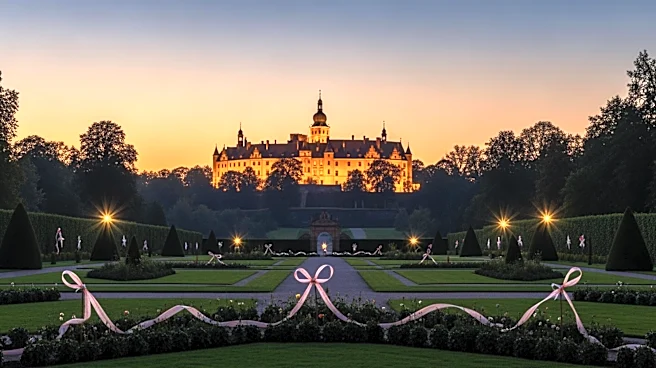
The Atlanta Symphony Orchestra is commemorating America's 250th birthday with two special concerts featuring iconic American music. The first concert, titled 'Symphony at Sunset,' is scheduled for June
13 at the Ameris Bank Amphitheater in Alpharetta. The second concert, 'America @ 250 Encore: Bernstein, Copland + Barber,' will take place on June 17 at the Atlanta Symphony Hall in Midtown. These performances will include well-known American classics such as music from 'West Side Story,' 'An American in Paris,' 'Appalachian Spring,' and 'Fanfare for the Common Man.' Concertmaster David Coucheron, who has been with the orchestra for 17 years, expressed the significance of performing American music as an immigrant from Norway. He noted the increasing attendance at the Atlanta Symphony Hall, reflecting a growing community engagement.
Why It's Important?
This celebration is significant as it highlights the cultural diversity and unity within the United States through music. The concerts not only honor America's 250th anniversary but also showcase the rich tapestry of American music, which resonates with audiences of various backgrounds. The increasing attendance at the Atlanta Symphony Hall suggests a positive trend in community involvement and appreciation for the arts. This event underscores the role of music in bridging cultural gaps and fostering a sense of national pride and identity. For the Atlanta Symphony Orchestra, these concerts are an opportunity to connect with the community and celebrate the nation's history through the universal language of music.
What's Next?
Following these concerts, the Atlanta Symphony Orchestra may continue to explore ways to engage with the community and expand its audience base. The success of these events could lead to more themed concerts that celebrate significant national milestones or cultural events. Additionally, the orchestra might consider collaborations with other cultural institutions to further promote American music and arts. The positive response from the community could encourage similar initiatives in other cities, fostering a nationwide appreciation for the arts and cultural heritage.