


What's Happening?
Ross Dress for Less, a discount retail chain, is experiencing significant growth as economic anxiety and inflation drive consumers to seek more affordable shopping options. The company plans to open 110 new outlets across the United States this year,
following the opening of 90 stores last year. This expansion is part of a broader trend where consumers are increasingly turning to discount retailers and value-oriented brands, moving away from traditional mid-market chains. Ross's strategy involves capturing market share from mainstream retail and department stores, which are struggling due to reduced discretionary spending and competition from online retailers. The company benefits from purchasing unsold merchandise from high-end outlets, offering consumers discounted products. Ross's financial performance reflects this growth, with a reported record sales of $22.8 billion in 2025, an 8% increase from the previous year.
Why It's Important?
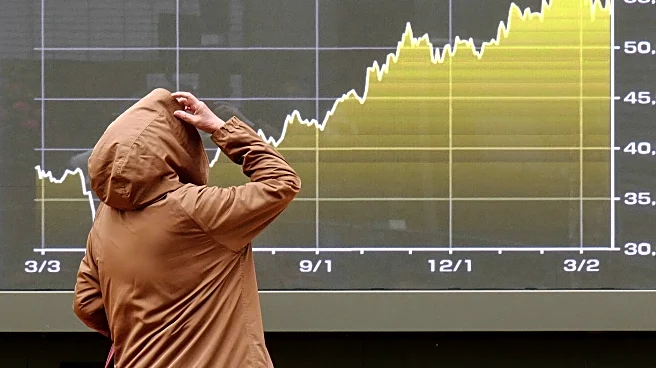
The expansion of Ross Dress for Less highlights a shift in consumer behavior towards more cost-effective shopping solutions amid economic pressures. This trend is significant for the retail industry as it indicates a potential decline in the traditional department store model, which has been struggling with store closures and reduced consumer spending. The success of discount retailers like Ross and TJX, which owns T.J. Maxx and Marshalls, suggests a growing market for off-price retail, which could reshape the retail landscape. Investors have responded positively, with Ross shares surging by 70% over the past year. This shift also underscores the importance of adaptability in retail strategies, as companies that can offer value and convenience are likely to thrive in challenging economic conditions.
What's Next?
Ross Dress for Less plans to continue its expansion by opening more stores and enhancing the shopping experience through better organization and the addition of self-checkout lanes. As the company grows, it may further solidify its position in the retail ecosystem, potentially leading to increased competition with other discount and mainstream retailers. The ongoing economic challenges may continue to drive consumers towards discount options, potentially leading to further closures of traditional department stores. Retailers will need to adapt to these changes by focusing on value and customer experience to remain competitive.