
What's Happening?
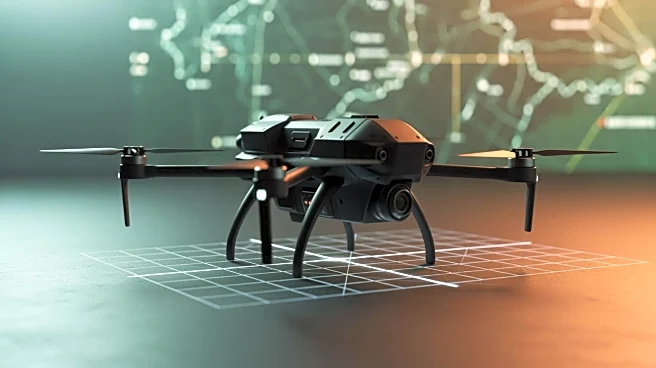
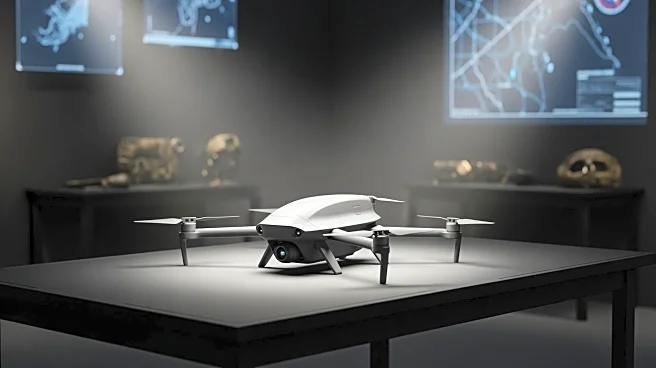
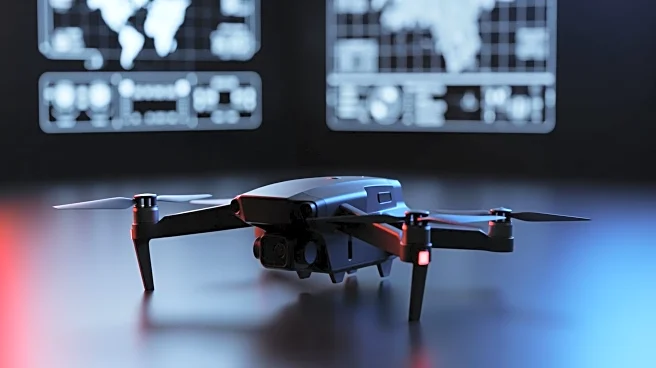
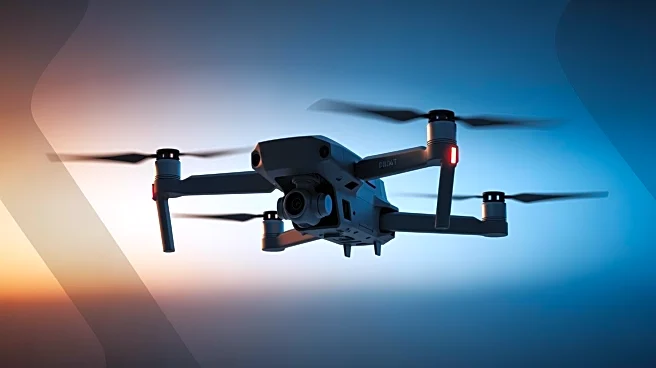
Red Cat Holdings has been selected by an undisclosed Asia-Pacific ally to supply its Black Widow small Unmanned Aircraft Systems (sUAS) for military Intelligence, Surveillance, and Reconnaissance (ISR) operations. The agreement, finalized in December 2025, involves the delivery of an undisclosed number of systems throughout 2026. Each system includes two Black Widow aircraft, a Ground Control Station, and other mission-critical components. The Black Widow is designed for tactical edge ISR missions, featuring a compact, rugged design and secure communications architecture compliant with the National Defense Authorization Act.
Why It's Important?
This agreement underscores the growing demand for advanced unmanned systems in military operations, particularly in the Asia-Pacific
region. The selection of Red Cat's Black Widow sUAS highlights the trust placed in U.S.-built drone systems for enhancing operational readiness in contested environments. As geopolitical dynamics shift, the need for autonomous, interoperable technologies is increasing, positioning Red Cat as a strategic partner in the region. This deal could lead to further opportunities for Red Cat in the global defense market, potentially boosting the company's growth and innovation in unmanned systems technology.
What's Next?
Red Cat is expected to continue expanding its presence in the Asia-Pacific region and may seek additional contracts with other allies. The company could also focus on enhancing the capabilities of its sUAS platforms to meet evolving military needs. As the demand for ISR technologies grows, Red Cat may explore partnerships with other defense contractors to develop integrated solutions for complex military operations.
Beyond the Headlines
The use of unmanned systems in military operations raises ethical and legal considerations, particularly regarding surveillance and data privacy. Ensuring compliance with international laws and regulations will be crucial for Red Cat and its partners. Additionally, the increasing reliance on autonomous systems in defense could influence military strategies and doctrines, prompting discussions on the role of human oversight in automated warfare.