
What's Happening?
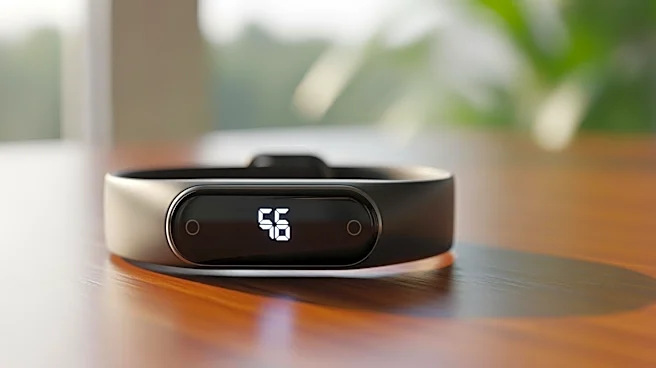
Smartwatches, popular for tracking fitness and health metrics, may not be as accurate as users believe. These devices estimate various health metrics such as calories burned, step counts, heart rate, sleep
stages, recovery scores, and VO₂ max, often leading to significant inaccuracies. For instance, calorie tracking can deviate by more than 20%, affecting dietary decisions. Step counts can be under-reported by about 10% during certain activities. Heart rate measurements, while accurate at rest, become less reliable during intense exercise due to factors like arm movement and sweat. Sleep tracking, which relies on movement and heart rate, fails to accurately identify sleep stages. Recovery scores, based on heart rate variability and sleep quality, may not truly reflect a user's recovery status. VO₂ max estimates, which indicate fitness levels, are often inaccurate, especially for less active individuals.
Why It's Important?
The inaccuracies in smartwatch health metrics can have significant implications for users who rely on these devices for fitness and health management. Misleading data can lead to inappropriate exercise intensity, incorrect dietary choices, and misguided recovery practices. For instance, overestimating calories burned might cause users to consume more food than necessary, potentially leading to weight gain. Conversely, underestimating calories could result in insufficient nutrition, impacting performance. Inaccurate heart rate data can misguide training intensity, while flawed recovery scores might cause users to skip workouts unnecessarily. These discrepancies highlight the need for users to interpret smartwatch data as general trends rather than precise measurements, emphasizing the importance of personal physical feedback over device readings.
What's Next?
As the use of wearable fitness technology continues to grow, manufacturers may need to improve the accuracy of these devices to maintain consumer trust. This could involve refining sensor technology and algorithms to better account for individual differences and activity variations. Users might also benefit from increased education on how to interpret smartwatch data effectively, focusing on long-term trends rather than daily fluctuations. Additionally, the fitness industry could see a shift towards integrating more comprehensive health assessments that combine wearable data with traditional methods, such as lab-based tests, to provide a more accurate picture of an individual's health and fitness status.