


What's Happening?
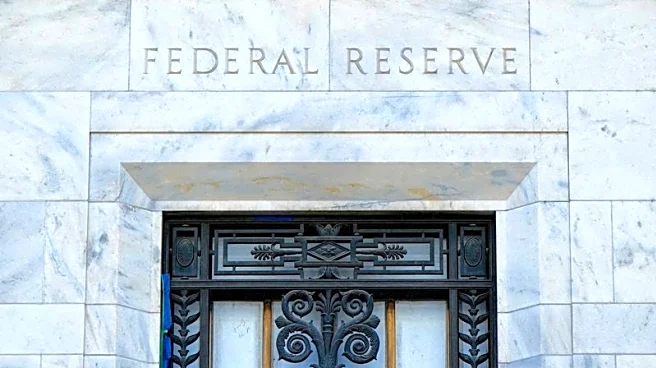
The Federal Reserve is grappling with a weak jobs report for February, which has raised concerns about the stability of the labor market. The report revealed an unexpected loss of 92,000 jobs, with the unemployment rate increasing slightly to 4.4%. Key
factors contributing to this decline include a strike among Kaiser Permanente healthcare workers and adverse winter weather conditions. Despite these challenges, the Federal Reserve is hesitant to cut interest rates due to the potential inflationary impact of an ongoing oil price shock linked to the Iran war. San Francisco Fed President Mary Daly highlighted the 'two-sided risks' the Fed faces, balancing a softening labor market against inflation concerns. The healthcare sector, which had been a significant source of job gains, saw a notable decline, further complicating the economic outlook.
Why It's Important?
The Federal Reserve's decision-making is crucial as it navigates between supporting a weakening labor market and controlling inflation. The unexpected job losses and the potential for rising inflation due to oil price shocks present a complex scenario for policymakers. If the Fed opts to maintain current interest rates, it could stabilize inflation but may not provide the necessary support for job growth. Conversely, cutting rates could stimulate employment but risk exacerbating inflation. This situation underscores the delicate balance the Fed must maintain to ensure economic stability. The outcome of these decisions will significantly impact businesses, consumers, and the broader U.S. economy, influencing everything from consumer spending to corporate investment strategies.
What's Next?
The Federal Reserve is likely to continue monitoring economic indicators closely, particularly inflation trends and labor market data, before making any policy adjustments. Fed officials, including Cleveland Fed President Beth Hammack, have indicated a cautious approach, suggesting that the current policy stance remains appropriate given the existing economic conditions. The Fed may wait for clearer evidence of inflation moving towards its 2% target before considering rate cuts. Additionally, the resolution of the oil price shock and its impact on inflation will be critical in shaping future monetary policy decisions. Stakeholders, including businesses and investors, will be watching closely for any signals from the Fed regarding potential changes in interest rates.