




What's Happening?
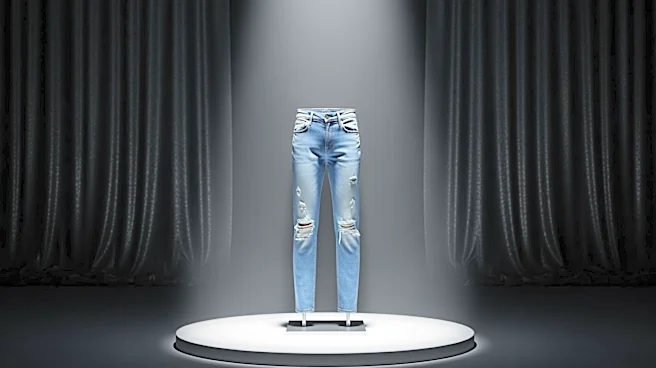
The 2026 Met Gala, known for its high-fashion red carpet, saw a surprising trend with several attendees opting to wear jeans. This choice sparked discussions among fashion enthusiasts and critics alike. Notably, Troye Sivan appeared in a Prada ensemble
featuring devoré-effect jeans, while model Bhavitha Mandava wore a Chanel outfit with pants that mimicked a blue jean effect. The theme for this year's Met Gala was 'fashion is art,' and the inclusion of jeans was seen as a bold statement that challenged traditional notions of formal attire. Mandava's choice was particularly significant as it paid homage to her historic achievement as the first Indian model to open a Chanel show.
Why It's Important?
The presence of jeans at the Met Gala highlights a shift in fashion norms, where traditional boundaries of formal wear are being redefined. This trend reflects a broader movement towards inclusivity and diversity in fashion, allowing for more personal expression. The debate around jeans at such a prestigious event underscores the evolving nature of fashion as an art form, where creativity and innovation are celebrated. This could influence future fashion events and red carpet appearances, encouraging designers and attendees to experiment with unconventional styles.
What's Next?
The reaction to jeans at the Met Gala may prompt further discussions within the fashion industry about the balance between tradition and innovation. Designers might explore more avant-garde approaches in future collections, inspired by the acceptance of casual elements in high-fashion settings. Additionally, fashion critics and enthusiasts will likely continue to debate the role of practicality versus artistry in fashion, potentially influencing upcoming fashion weeks and red carpet events.
Beyond the Headlines
The inclusion of jeans at the Met Gala also raises questions about the accessibility of high fashion. By incorporating everyday garments into high-profile events, the fashion industry may be signaling a move towards more relatable and attainable fashion choices for the general public. This could lead to a democratization of fashion, where luxury and everyday wear coexist, challenging the exclusivity traditionally associated with high fashion.