






What's Happening?
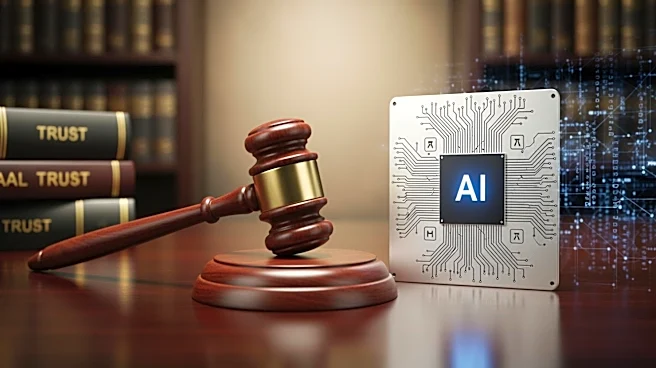
The legal industry is grappling with the issue of AI-generated hallucinations in legal documents, which can lead to errors and undermine trust in the justice system. This problem is not unique to the legal field, as similar issues have been addressed
in the accounting industry following major scandals like MCI WorldCom and Enron. The legal sector is now considering adopting processes similar to those used in accounting to ensure accuracy and trustworthiness in AI-assisted work products. The need for internal audit functions and independent validation systems is being discussed as potential solutions to mitigate the risks associated with AI hallucinations.
Why It's Important?
The rise of AI in legal document creation poses significant challenges for law firms and the justice system. AI-generated errors, or hallucinations, can compromise the integrity of legal documents, affecting the outcomes of cases and the reputation of legal professionals. As AI becomes more prevalent in the industry, there is a pressing need for robust review processes to ensure the accuracy of AI-assisted work products. This issue highlights the importance of developing standards and guidelines for AI use in legal practice, similar to those in the accounting industry, to maintain trust and reliability in legal proceedings.
What's Next?
The legal industry may need to implement new standards and guidelines for AI use, potentially drawing from the accounting industry's experience with regulation and internal audits. Collaboration among law firms and industry associations could lead to the development of best practices for AI-assisted document creation. Additionally, there may be a need for regulatory intervention to establish minimum standards for AI use in legal filings, particularly for pro se litigants. These steps could help mitigate the risks associated with AI hallucinations and support greater access to justice.
Beyond the Headlines
The ethical implications of AI use in legal practice are significant, as errors in legal documents can have far-reaching consequences for individuals and businesses. The potential for AI to undermine trust in the justice system raises questions about the role of technology in legal proceedings and the need for human oversight. As AI continues to evolve, the legal industry must balance innovation with the responsibility to ensure accuracy and fairness in legal documents.