



What's Happening?
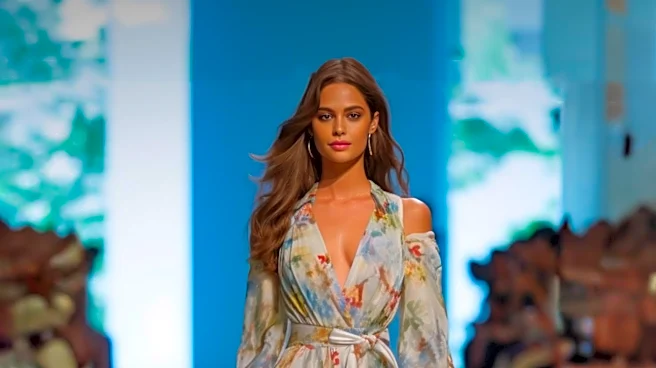
Mercedes-Benz Fashion Week Tbilisi returned after a four-year hiatus, highlighting the intersection of fashion, culture, and politics. The event, held from May 7 to 10, 2026, featured a diverse array of designers who used fashion as a medium to explore
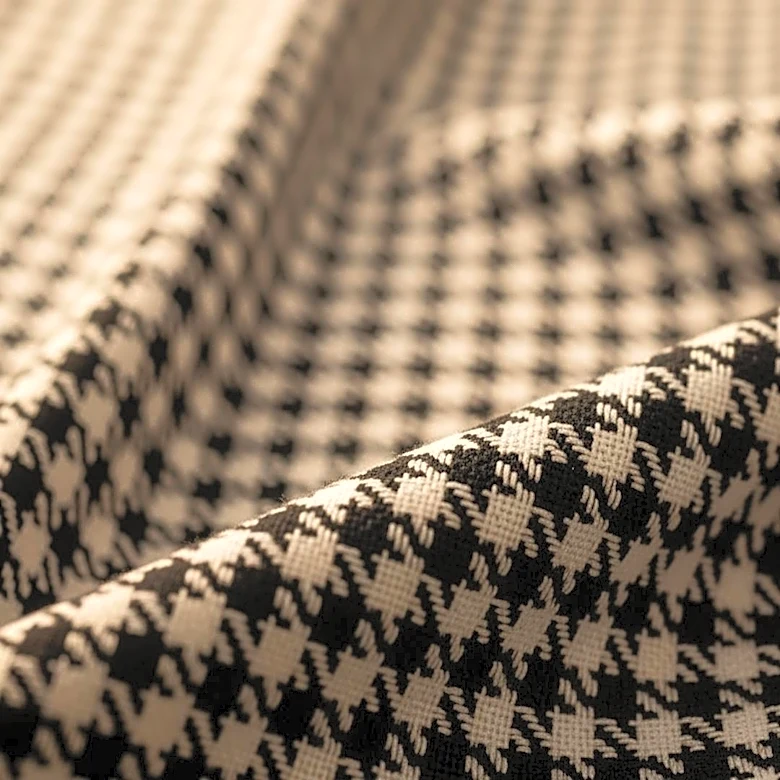
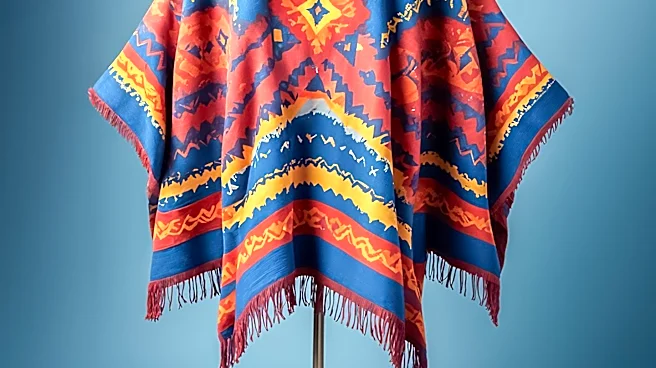
identity, heritage, and resistance. Notable collections included those by Lasha Mdinaradze and Nino Goderidze, who addressed themes of political pressure and social uncertainty. The event also emphasized traditional craftsmanship, with live demonstrations by master weavers and collections that integrated local textile heritage. The fashion week served as a platform for Georgian designers to present their work within a global context, reflecting the unique cultural landscape of Tbilisi.
Why It's Important?
The return of Mercedes-Benz Fashion Week Tbilisi underscores the city's growing influence in the global fashion industry. By blending traditional and modern elements, the event highlights the cultural richness and creative potential of the region. The focus on political and social themes in the collections reflects the broader role of fashion as a form of cultural expression and commentary. This approach not only elevates the profile of Georgian designers but also positions Tbilisi as a hub for innovative and thought-provoking fashion. The event's success could attract international attention and investment, further integrating Georgian fashion into the global market.
Beyond the Headlines
The fashion week in Tbilisi illustrates the power of fashion as a political and cultural tool. Designers used their collections to comment on issues such as censorship, migration, and identity, offering a platform for dialogue and reflection. This approach challenges traditional perceptions of fashion as merely aesthetic, positioning it as a medium for social change and cultural preservation. The event also highlights the importance of supporting local artisans and preserving traditional crafts, which are integral to the region's cultural identity. As Tbilisi continues to develop its fashion scene, it may inspire similar movements in other regions, promoting a more inclusive and diverse global fashion industry.