








What's Happening?
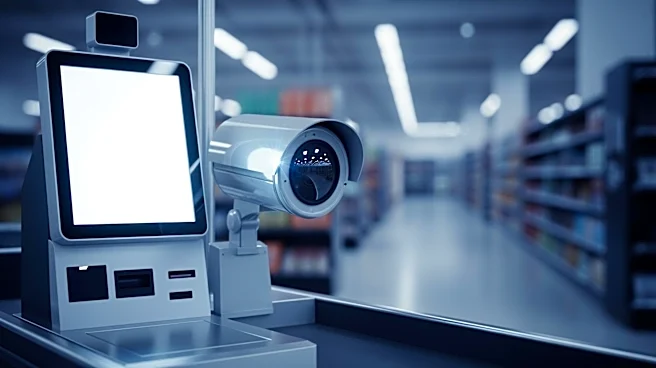
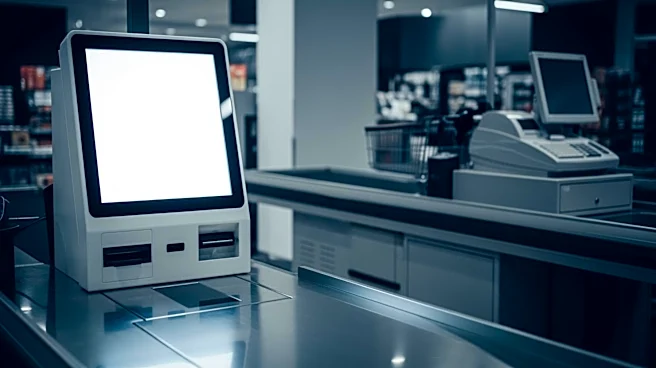
Self-checkout machines in grocery stores are facing scrutiny as several states and localities consider legislation to limit their use. These measures are often presented as efforts to reduce retail theft, but there is a significant push from labor unions
to create more unionized jobs. States like Connecticut and Ohio, along with cities in California and New York City, are exploring restrictions on self-checkout lanes. The proposed bills often require a higher ratio of employees to self-checkout machines and limit the total number of automated lanes. Labor unions, including the United Food and Commercial Workers, are major proponents of these restrictions, arguing that they protect jobs and reduce theft.
Why It's Important?
The debate over self-checkout machines highlights the tension between technological advancement and job preservation. While self-checkout can increase efficiency and reduce labor costs for retailers, it also raises concerns about job losses and increased shoplifting. The proposed legislation reflects broader societal questions about the role of automation in the workforce and the balance between innovation and employment. For retailers, these restrictions could lead to higher operational costs and impact their ability to adopt new technologies. The outcome of this legislative push could set precedents for how technology is integrated into retail environments across the country.
What's Next?
As states and cities continue to debate self-checkout restrictions, the outcome will likely influence future labor and technology policies. Retailers may need to adjust their staffing models and explore alternative theft prevention technologies. The involvement of labor unions suggests that similar legislative efforts could emerge in other sectors where automation is prevalent. The ongoing discussions will require balancing the benefits of technological efficiency with the need to protect jobs and address security concerns. Stakeholders, including retailers, employees, and consumers, will be closely monitoring these developments and their implications for the retail industry.