




What's Happening?
The beauty industry is undergoing a significant transformation as digital technologies become more integrated into product design, consumer experiences, and purchasing decisions. According to a GlobalData survey, 39% of global respondents are influenced
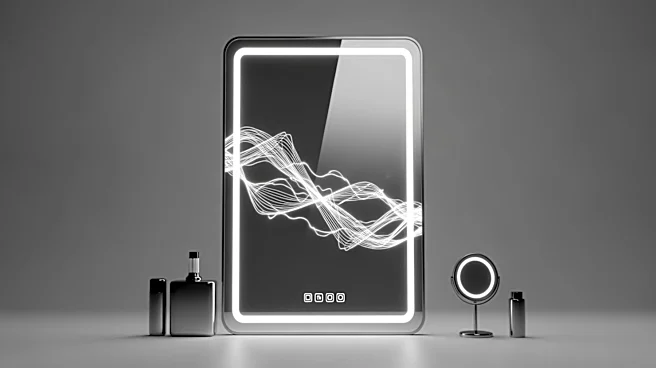
by the digital sophistication of beauty products. This trend, known as 'smart beauty,' is characterized by the use of connected devices, artificial intelligence (AI), and advanced materials to offer personalized and interactive beauty solutions. Technologies such as AI-powered skin diagnostics, smart mirrors, and connected beauty devices are enabling brands to provide tailored routines and real-time insights, reducing the traditional trial-and-error process in beauty purchases. Recent innovations showcased at CES 2026, like color-changing smart press-on nails and the Maxspace device for on-site customization, highlight the potential of digital functionality to transform traditional beauty formats.
Why It's Important?
The integration of digital technologies in the beauty industry is reshaping consumer expectations and driving demand for personalized products. This shift presents significant opportunities for beauty brands to innovate and differentiate themselves in a competitive market. By leveraging AI and connected devices, companies can offer more personalized and efficient solutions, enhancing consumer satisfaction and loyalty. The trend also encourages collaboration between beauty brands and technology companies, fostering innovation and expanding product offerings. As digital capabilities continue to evolve, brands that successfully integrate these technologies into their product development and user engagement strategies will be better positioned to capture market share and meet the growing demand for smart beauty solutions.
What's Next?
As the smart beauty trend gains momentum, beauty brands are likely to increase their investment in digital technologies and partnerships with tech companies. This could lead to the development of new product formats and enhanced consumer experiences. Companies may also focus on expanding their digital capabilities to offer more personalized and interactive solutions, potentially reshaping the beauty retail landscape. Additionally, the emphasis on sustainability and customization may drive changes in packaging formats and supply chain practices, as brands seek to meet consumer demand for eco-friendly and tailored products. The continued evolution of smart beauty technologies will likely influence industry standards and consumer expectations, prompting brands to adapt and innovate to remain competitive.