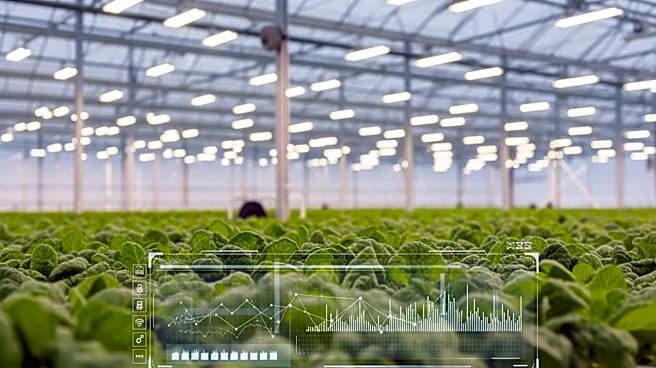

What's Happening?
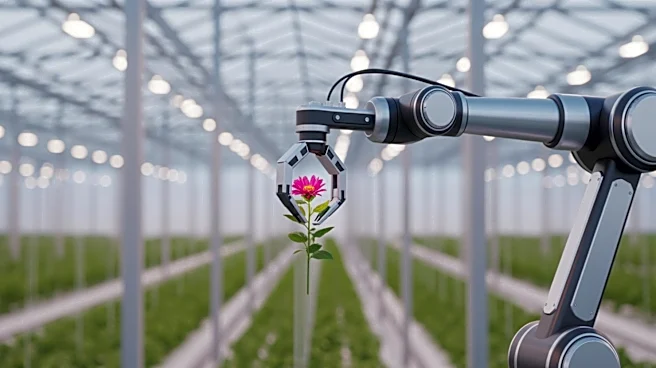
The Agriculture 4.0 market is experiencing significant growth due to the integration of advanced digital technologies such as robotics, big data analytics, the Internet of Things (IoT), and artificial
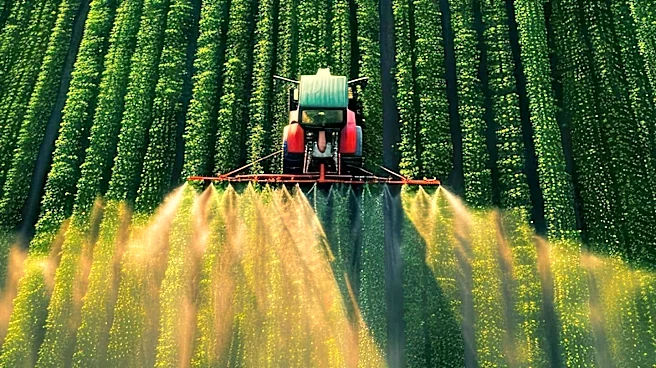
intelligence (AI). These technologies aim to improve agricultural productivity, optimize resource use, and support environmental sustainability. The market is supported by the increasing adoption of smart farming solutions across developed and emerging regions, with government-led initiatives promoting digital agriculture playing a key role in enhancing food security and encouraging sustainable farming practices. Concerns related to climate change and resource efficiency are further accelerating the adoption of precision agriculture tools, AI-enabled decision support systems, and IoT-based platforms, contributing to improved operational efficiency and crop output.
Why It's Important?
The growth of the Agriculture 4.0 market is largely driven by the anticipated increase in global food demand, influenced by factors such as rapid urbanization, population expansion, rising income levels, evolving dietary patterns, and overall economic development. Agriculture 4.0 addresses these demands through the deployment of advanced technologies, enabling more accurate yield predictions, efficient resource utilization, and enhanced environmental sustainability. These technologies support real-time monitoring and data-driven decision-making, contributing to improved operational efficiency and higher agricultural productivity. The market's expansion is crucial for ensuring future food security, particularly as food demand across low- and middle-income countries is expected to grow significantly.
What's Next?
Despite its strong growth potential, the adoption of Agriculture 4.0 solutions faces several obstacles, including high initial investment requirements, a shortage of skilled professionals, and concerns related to data security and privacy. Inadequate internet connectivity in remote regions and the lack of standardized regulatory frameworks also impede widespread implementation. However, regions like North America are projected to experience rapid growth due to a well-established regulatory framework and advanced technological infrastructure. The ongoing integration of AI, IoT, and data-driven solutions, along with increasing consumer demand for transparency and sustainability in food production, will continue to facilitate the adoption of Agriculture 4.0 technologies.