







What's Happening?
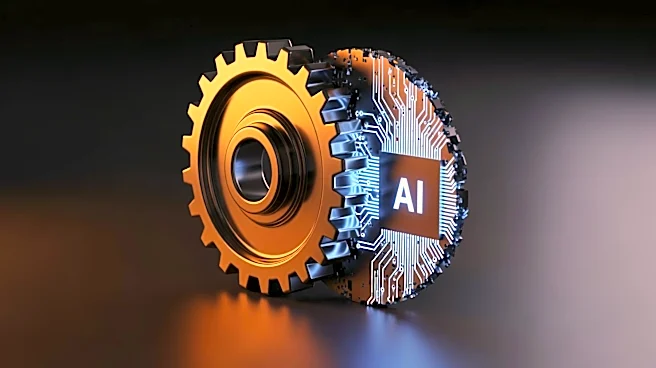
The U.S. economy experienced a 2% growth rate in the first quarter of 2026, driven by a rebound in government spending and a surge in AI-related business investments. This growth follows a 0.5% increase in the previous quarter, which was affected by a government shutdown.
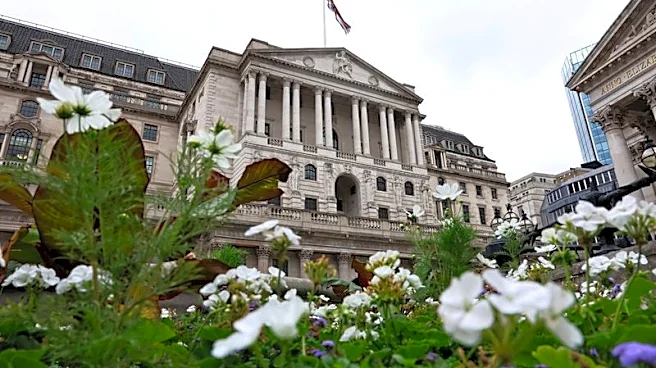
However, the ongoing conflict with Iran has led to increased gasoline prices, impacting consumer spending. The Federal Reserve has maintained interest rates, citing concerns about inflation, which has been exacerbated by the conflict.
Why It's Important?
The growth in GDP reflects the U.S. economy's ability to recover from previous setbacks, with AI investments playing a crucial role. However, the Iran conflict's impact on energy prices presents a significant challenge, potentially leading to higher inflation and reduced consumer spending. The Federal Reserve's decision to hold interest rates steady indicates a cautious approach to managing these economic pressures. The situation underscores the importance of geopolitical stability for economic growth and the need for strategic investments in technology sectors.
What's Next?
The U.S. economy's future trajectory will depend on the resolution of the Iran conflict and its impact on energy prices. The Federal Reserve may need to adjust its monetary policy to address inflationary pressures. Continued investment in AI and technology sectors could provide a pathway for economic growth, but geopolitical stability will be essential. Policymakers will need to balance these factors to ensure sustained economic progress.