





What's Happening?
Private credit, a sector of corporate finance operating outside traditional banking, is causing concern on Wall Street. This sector has become a crucial source of funding for small and midsize businesses, especially since banks tightened lending standards
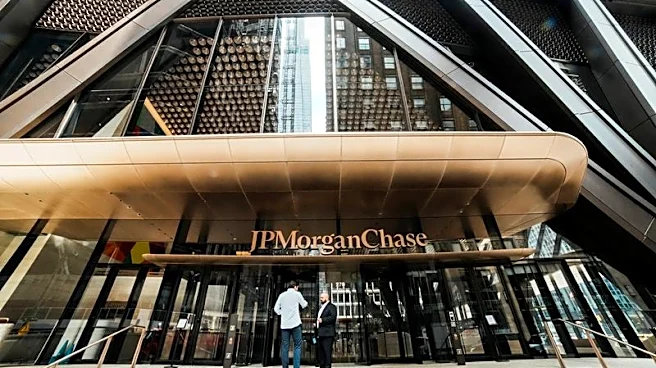
after the 2008 financial crisis. Private credit assets have grown significantly, with expectations to double by 2030. However, recent investor anxiety has led to increased withdrawal requests, raising questions about the stability of this market. Concerns include potentially lax lending standards and the impact of AI on smaller companies reliant on private loans. Despite these worries, some industry leaders, like JPMorgan Chase CEO Jamie Dimon, believe private credit does not pose a systemic risk.
Why It's Important?
The significance of private credit lies in its role as a financial lifeline for small and midsize businesses. If this market experiences a slowdown, these businesses could face difficulties in securing loans necessary for expansion or survival. While private credit is a smaller segment of the overall U.S. economy, a credit crunch could exacerbate existing economic challenges, such as high fuel costs and inflation. The potential for a financial institution collapse or reduced lending to businesses could have broader economic implications, affecting employment and economic growth.
What's Next?
The future of private credit will depend on how the market addresses current concerns. If investor confidence continues to wane, it could lead to tighter credit conditions for businesses. Financial institutions and regulators may need to increase transparency and improve lending standards to stabilize the market. Stakeholders will be closely monitoring the situation to prevent a broader economic impact. The ongoing debate between those who see private credit as a risk and those who view it as manageable will shape future regulatory and market responses.
Beyond the Headlines
The private credit market's growth reflects a shift in how businesses access capital, highlighting the evolving landscape of corporate finance. This development raises questions about the balance between innovation in financial services and the need for regulatory oversight. The potential for AI to disrupt traditional business models adds another layer of complexity, as companies must adapt to technological changes while managing financial risks. The outcome of this situation could influence future financial regulations and the role of non-traditional lending in the economy.