



What's Happening?
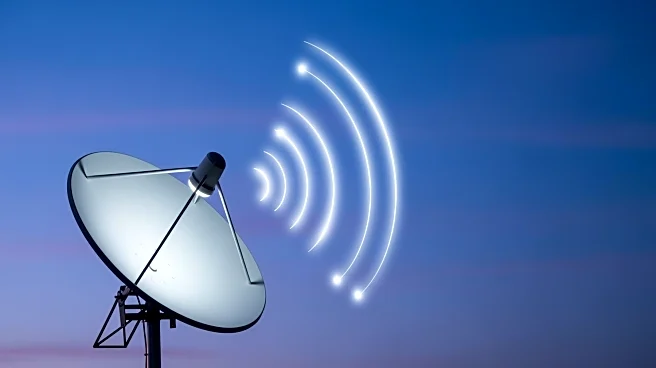
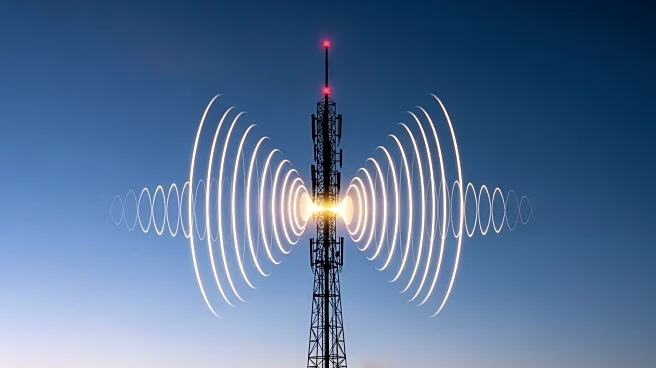
The Federal Communications Commission (FCC) is preparing to auction the upper C-band spectrum for 5G and 6G applications, including direct-to-device use cases. This move requires current users of the spectrum, such as satellite operators and video infrastructure
companies, to vacate and find alternative solutions. The transition is complex, with no single replacement method offering the same reliability as the upper C-band. Industry stakeholders, including major programmers like A+E, Fox, and NBC Universal, have expressed concerns about the transition's feasibility and the need for a multi-faceted approach. The FCC aims to auction at least 100MHz of the spectrum by July 2027, with discussions ongoing about the best methods to ensure continuity of service.
Why It's Important?
The auction and subsequent transition of the upper C-band spectrum are significant for the telecommunications and broadcasting industries. The spectrum is crucial for video distribution, and its reallocation could impact service reliability, especially in rural areas where alternatives like fiber are less accessible. The transition also involves substantial costs and logistical challenges, as seen in previous spectrum reallocations. Successful management of this transition is vital to maintaining service quality and avoiding disruptions for consumers. The outcome will influence the future landscape of telecommunications infrastructure and service delivery in the U.S.
What's Next?
The FCC will continue to develop rules for the auction, with industry stakeholders actively participating in discussions to shape the transition strategy. Companies will need to explore and invest in alternative technologies, such as Ku-band satellites and fiber, to replace the upper C-band. The industry will also need to address technical challenges, such as ensuring the reliability of new distribution methods. The transition is expected to take several years, with the first phase of spectrum clearance anticipated by the end of 2028.