
What's Happening?
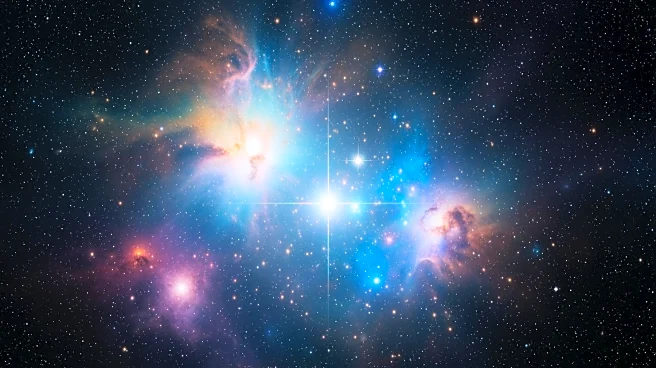
Astrophotographer Rod Prazeres has had his deep-sky images of nebulae featured in the end credits of the science fiction film 'Project Hail Mary'. The production team chose to use authentic astronomical data over computer-generated imagery (CGI), showcasing
Prazeres' captures of real nebulae structures. His work includes images of the Running Chicken Nebula, Rosette Nebula, and Carina Nebula, among others. Prazeres provided starless versions of his images, allowing the film's credits to roll over the vibrant celestial colors. This collaboration highlights the beauty of the cosmos as captured by the astroimaging community, offering a unique visual experience for the film's audience.
Why It's Important?
The inclusion of real astronomical data in a major film underscores the importance of authenticity in visual storytelling. By using actual images of nebulae, 'Project Hail Mary' provides viewers with a genuine glimpse of the universe's wonders, enhancing the film's scientific credibility. This decision also highlights the value of astrophotography and the dedication of photographers like Prazeres, who capture the cosmos from their backyards. The collaboration between filmmakers and astrophotographers can inspire a greater appreciation for space exploration and the scientific community's efforts to understand the universe.
What's Next?
Following the success of his work being featured in 'Project Hail Mary', Rod Prazeres plans to continue advancing his astrophotography. He has recently moved his main equipment to a remote observatory in Victoria, allowing him to capture cleaner and deeper data from darker skies. Prazeres aims to push the quality of his work further, explore new celestial targets, and share the beauty of deep-sky objects with a wider audience. This ongoing journey may lead to more opportunities for his work to be featured in other media, further bridging the gap between science and popular culture.
Beyond the Headlines
The use of real astronomical data in films like 'Project Hail Mary' raises questions about the role of authenticity in digital media. While CGI offers limitless creative possibilities, the choice to use genuine images can enhance a film's educational value and inspire viewers to learn more about space. This approach also supports the work of astrophotographers, whose images provide a tangible connection to the universe. As technology advances, the balance between authenticity and creativity in visual media will continue to evolve, influencing how audiences perceive and engage with scientific content.