





What's Happening?
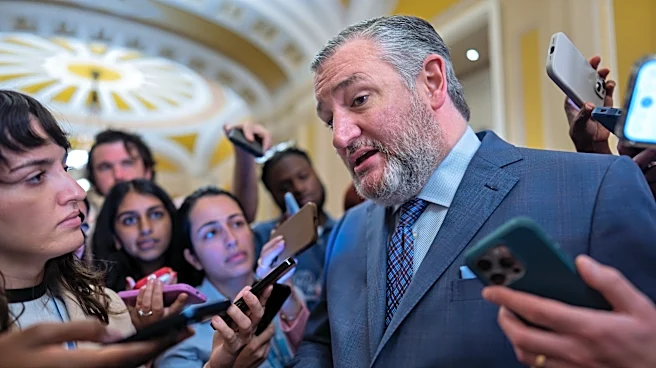
Nick Saban, former Alabama head coach and current ESPN analyst, appeared before the Senate Commerce Committee to support the 'Protect College Sports Act.' During the hearing, Saban highlighted the case of Ole Miss quarterback Trinidad Chambliss, who was
embroiled in litigation after his request for a sixth year of eligibility was denied by the NCAA. Chambliss successfully sued for a temporary injunction, allowing him to play in the upcoming season. Saban criticized the NCAA's rule-making process, suggesting that litigation, rather than clear regulations, often determines player eligibility. Additionally, Saban addressed the issue of player transfers, using the example of Ole Miss linebacker Luke Ferrelli, whose transfer from Clemson sparked allegations of tampering. Saban argued that the current transfer system resembles free agency, driven by financial incentives, and called for standardized rules for name, image, and likeness (NIL) compensation to bring consistency to college sports.
Why It's Important?
The hearing underscores ongoing debates about the governance of college sports, particularly concerning player eligibility and compensation. Saban's testimony highlights the challenges faced by the NCAA in maintaining fair competition while adapting to new financial realities. The 'Protect College Sports Act' aims to create uniform NIL rules, which could significantly impact how college athletes are compensated and how schools recruit talent. This legislation could level the playing field, ensuring that all athletes have equal opportunities regardless of their financial background. The outcome of this legislative effort could reshape the landscape of college athletics, affecting universities, athletes, and the broader sports industry.
What's Next?
The Senate Commerce Committee will continue to deliberate on the 'Protect College Sports Act,' with potential implications for future NCAA regulations. Stakeholders, including universities, athletic programs, and student-athletes, are likely to engage in discussions about the proposed changes. If passed, the act could lead to a more structured approach to NIL compensation, reducing the influence of financial incentives on player transfers and recruitment. The NCAA may also need to revise its eligibility criteria to prevent litigation from becoming a common recourse for athletes seeking to extend their playing careers.