







What's Happening?
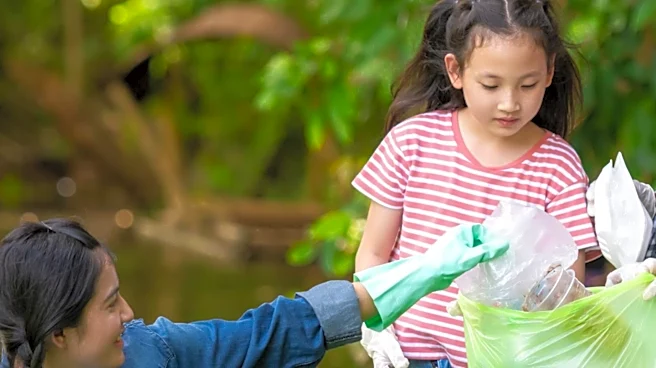
Earth Day, celebrated annually on April 22, emphasizes the importance of environmental conservation and its direct impact on human health. The event, which began in 1970, encourages activities such as tree planting, recycling, and using eco-friendly products
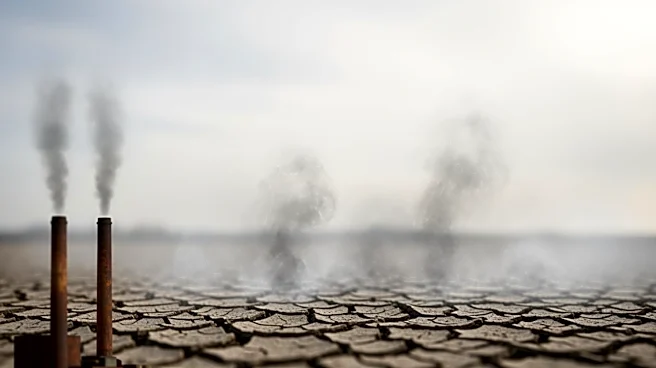
to promote a healthier planet. According to Earthday.org, these activities not only help reduce pollution but also improve air quality and provide more nutritious food sources. The World Health Organization reports that 99% of the global population breathes air exceeding pollution guidelines, leading to millions of premature deaths annually. Earth Day aims to mitigate these issues through increased environmental legislation and public awareness campaigns.
Why It's Important?
The significance of Earth Day extends beyond environmental conservation; it directly impacts public health and well-being. By promoting activities that reduce pollution and conserve resources, Earth Day initiatives help decrease health risks associated with poor air and water quality. The United Nations Environment Programme highlights that clean air and water, along with green spaces, contribute to safer and happier communities. Additionally, engaging in Earth Day activities can foster mental health benefits by reducing anxiety related to climate change and encouraging mindfulness practices in nature.
What's Next?
As awareness of environmental issues grows, Earth Day is likely to inspire more individuals and communities to adopt sustainable practices year-round. This could lead to increased support for policies that address climate change and pollution. Businesses may also respond by offering more eco-friendly products and services, aligning with consumer demand for sustainable options. Continued advocacy and education efforts will be crucial in maintaining momentum and achieving long-term environmental and health goals.
Beyond the Headlines
Earth Day's focus on environmental health also raises ethical considerations about the disproportionate impact of pollution on underprivileged communities. Waste facilities are often located in these areas, exacerbating health disparities. Addressing these issues requires a commitment to environmental justice, ensuring that all communities benefit from cleaner environments. Furthermore, the event encourages individuals to reflect on their personal consumption habits and make more sustainable choices, contributing to a cultural shift towards environmental responsibility.