







What's Happening?
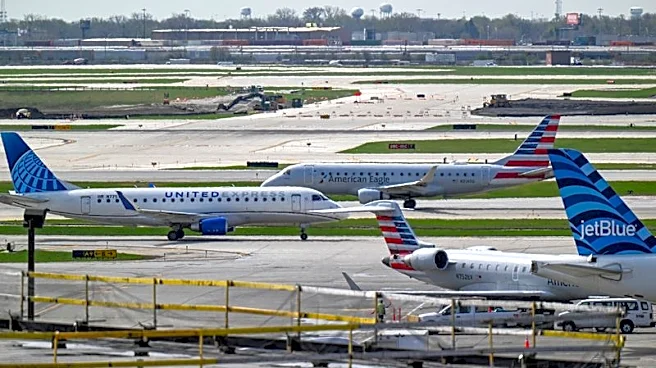
Recent discussions about a potential merger between American Airlines and United Airlines have subsided, following statements from American Airlines and President Trump expressing disinterest in the merger. Despite this, there is ongoing speculation about possible
mergers within the U.S. airline industry, driven by rising jet fuel costs and financial pressures on low-cost carriers. Senators Elizabeth Warren and Mike Lee have raised concerns about the potential impact of such mergers on consumer prices. The White House, which plays a crucial role in approving major airline mergers, has also weighed in, with President Trump expressing opposition to the American-United merger but openness to other potential deals.
Why It's Important?
The potential for mergers in the airline industry is significant as it could reshape the competitive landscape, affecting pricing, service quality, and market dynamics. A merger between major carriers like American and United could lead to reduced competition and higher prices for consumers. However, the financial pressures faced by airlines due to high fuel costs may necessitate consolidation to maintain profitability. The outcome of these discussions will have implications for the industry, including potential regulatory challenges and the need for strategic adjustments by airlines to remain competitive.
What's Next?
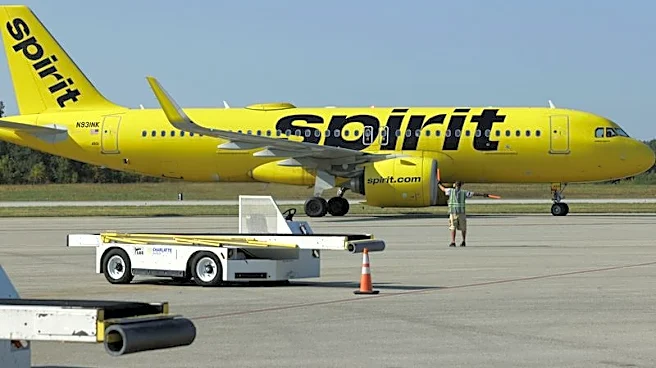
While the American-United merger appears unlikely, the airline industry may still see consolidation as companies seek to navigate financial challenges. Future mergers could involve smaller carriers or create new competitive dynamics. The industry will closely monitor regulatory responses and potential government interventions, especially as discussions continue about the viability of struggling airlines like Spirit. Stakeholders will need to consider the long-term impacts on market competition and consumer choice as the industry evolves.