



What's Happening?
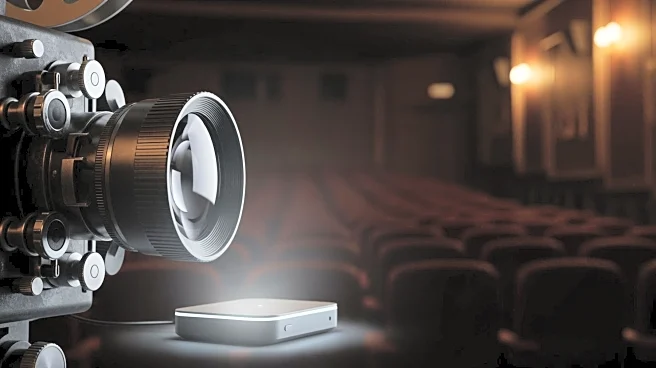
Netflix has announced its acquisition of the legendary Hollywood studio Warner Bros., a move that has raised concerns about the future of traditional movie theaters. Warner Bros. has been a significant player in the film industry, distributing several box office hits this year. The acquisition by Netflix, a company known for its focus on streaming, has led to speculation that this could mark a significant shift away from the traditional theatrical experience. Theaters have long been valued for their ability to provide an immersive viewing experience, but recent trends, including high ticket prices and changing consumer habits, have already been challenging the industry. The rise of private cinemas, such as Metro Private Cinema, which offers
a more personalized and luxurious movie-watching experience, is seen as a response to these challenges.
Why It's Important?
The acquisition of Warner Bros. by Netflix could have far-reaching implications for the film industry and the future of movie theaters. As streaming services continue to grow in popularity, traditional theaters may struggle to compete, potentially leading to a decline in box office revenues and theater attendance. This shift could impact not only the economic landscape of the film industry but also the cultural experience of moviegoing. Theaters have historically been places where audiences can share collective emotional experiences, something that is difficult to replicate in a home setting. The move towards private cinemas may offer a solution by providing a more exclusive and tailored experience, but it also raises questions about accessibility and the democratization of film.
What's Next?
As the industry adapts to these changes, stakeholders will need to consider how to balance the convenience of streaming with the unique experience offered by theaters. The success of private cinemas like Metro Private Cinema could influence how theaters evolve, potentially leading to more personalized and high-end offerings. Meanwhile, traditional theaters may need to innovate to attract audiences, possibly by enhancing the overall experience or offering more competitive pricing. The response from filmmakers and studios will also be crucial, as they decide whether to prioritize theatrical releases or embrace the streaming model.
Beyond the Headlines
The shift towards streaming and private cinemas could have broader cultural implications, affecting how films are made and consumed. As the industry evolves, there may be a greater emphasis on films that cater to home viewing, potentially impacting the types of stories that are told and the diversity of voices that are heard. Additionally, the move towards more exclusive viewing experiences could exacerbate existing inequalities in access to culture, as not everyone may be able to afford the luxury of private cinema screenings.