
What's Happening?
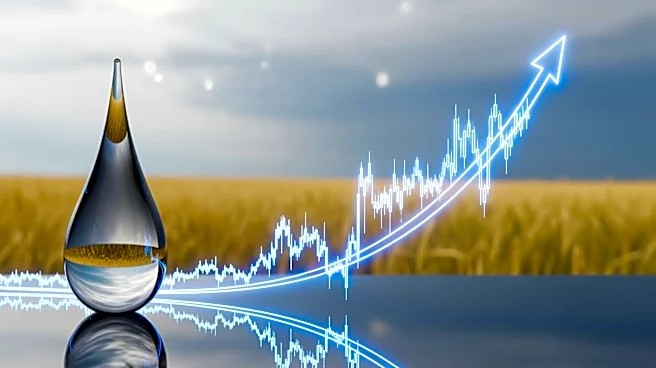
The recent Ag Commodity Corner+ Podcast discussed significant movements in global markets, particularly the sharp decline in crude oil prices and the subsequent rally in stock markets. This shift was attributed
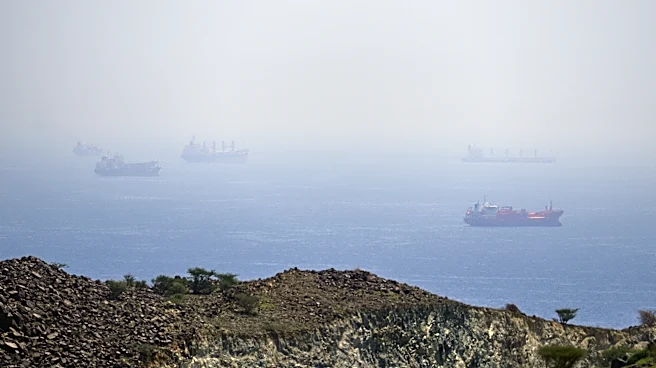
to easing geopolitical tensions in the Middle East, which stabilized energy supply routes. As a result, inflation concerns eased, boosting investor confidence and lifting major equity indices. In agricultural markets, grains showed resilience despite early pressure from falling energy prices, with corn and soybeans closing higher due to strong domestic demand. Wheat markets attracted interest due to worsening crop conditions in key growing regions, raising concerns about potential yield losses. Weather remains a critical factor, with drought conditions and the risk of late frost threatening winter wheat areas across the U.S. Plains.
Why It's Important?
The decline in oil prices and the stock market rally have significant implications for the U.S. economy and agricultural sector. Lower energy prices can reduce operational costs for farmers, potentially easing budget constraints. However, the ongoing weather risks pose challenges for crop yields, which could impact food supply and prices. The agricultural sector must navigate these uncertainties, balancing energy market developments with seasonal risks. The situation underscores the importance of weather monitoring and strategic planning in agriculture to mitigate potential losses and ensure market stability.
What's Next?
As markets continue to react to geopolitical developments and weather conditions, volatility is expected to persist. Farmers and agribusinesses will need to stay informed about market trends and adjust their strategies accordingly. The focus will likely remain on weather updates and energy market movements, with stakeholders closely monitoring these factors to make informed decisions. The agricultural sector may also explore alternative strategies, such as diversifying crops or investing in technology to enhance resilience against weather-related disruptions.